Violetter Balken
heem-stilleben-residenzgalerie - copy

Residenzgalerie in the DomQuartier Salzburg

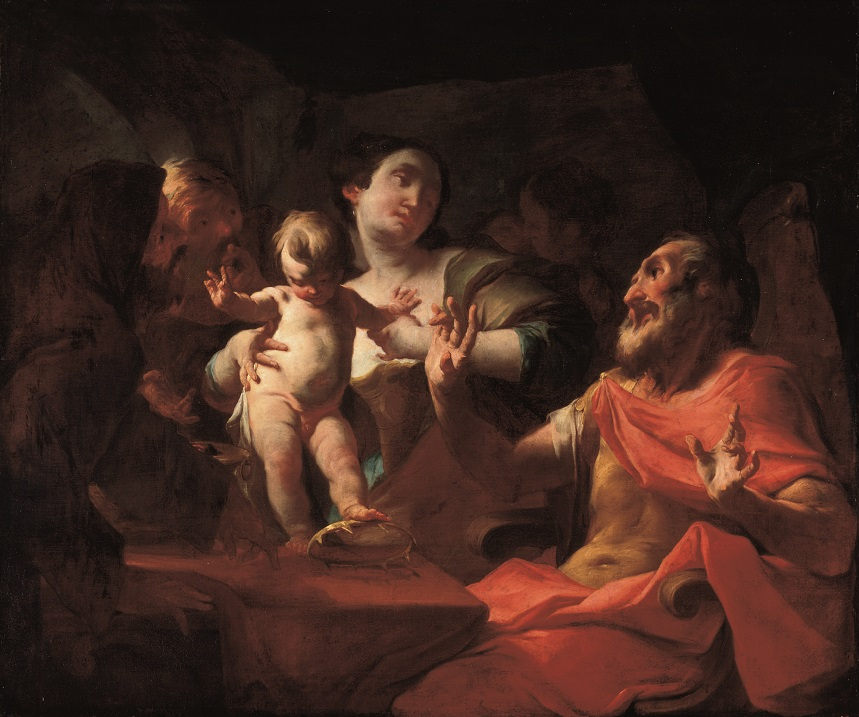
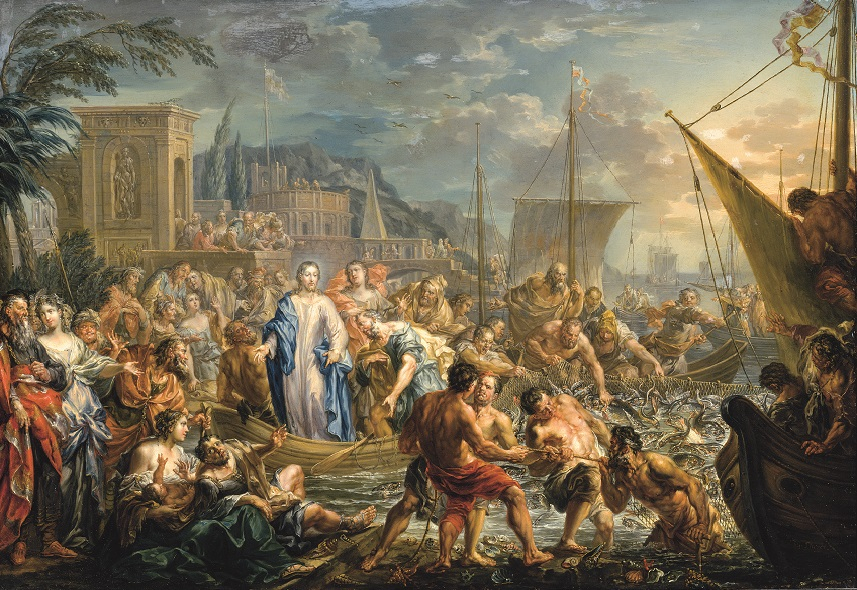
The collection of the Province of Salzburg comprises European painting from the 16th – 19th centuries.
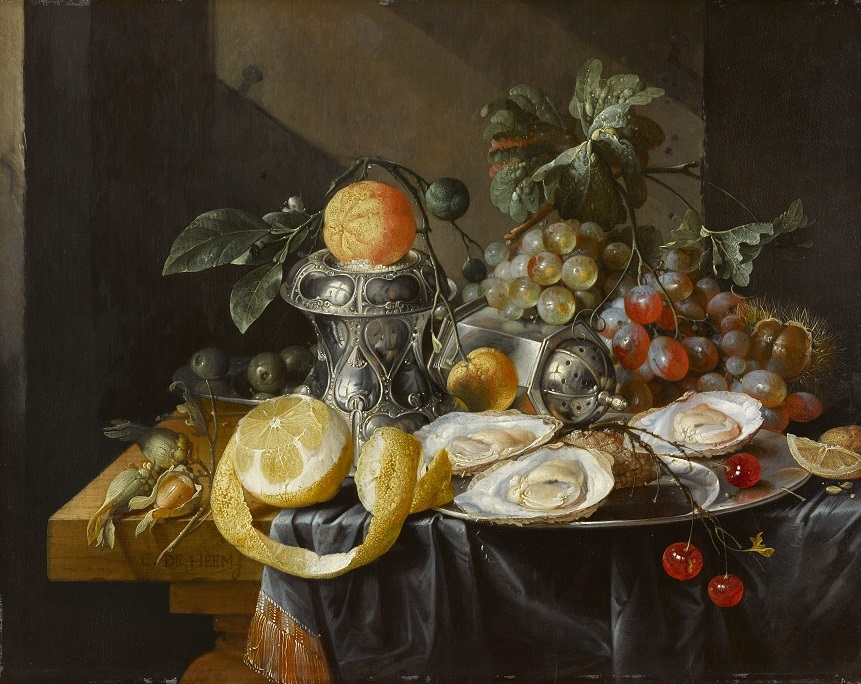
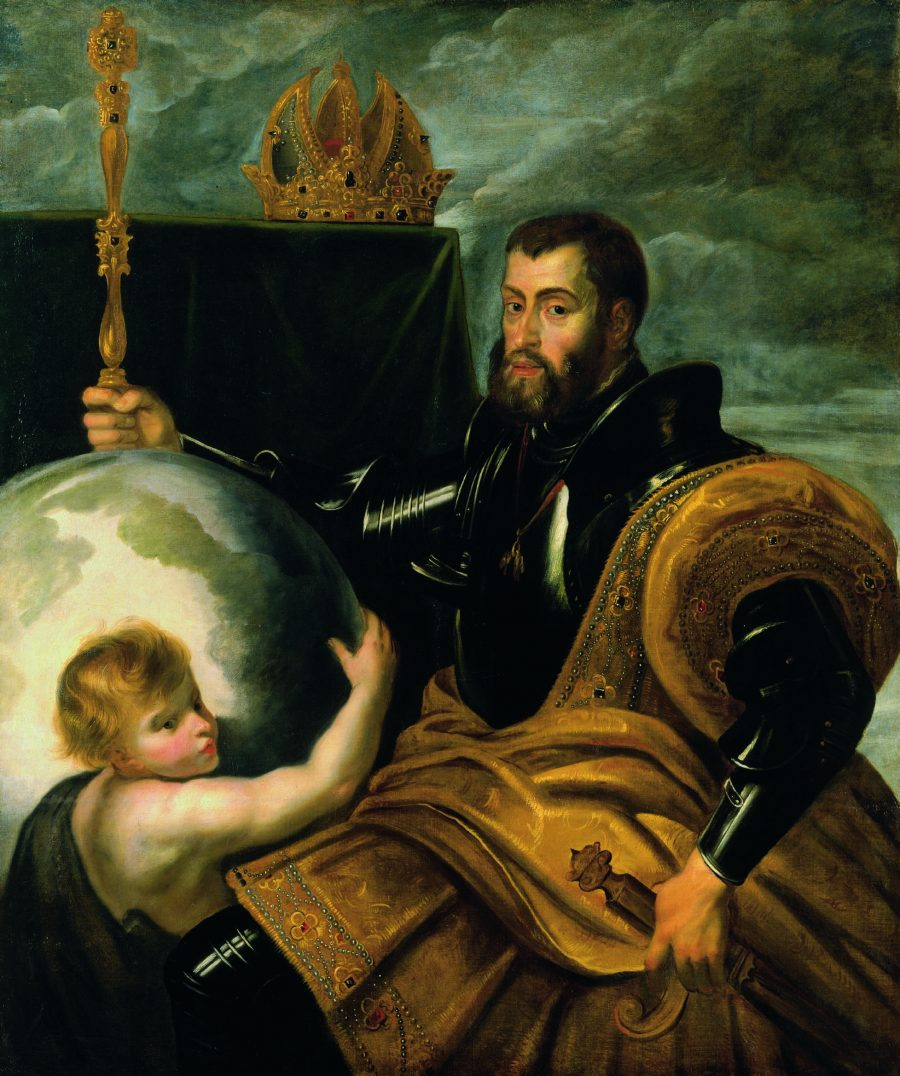
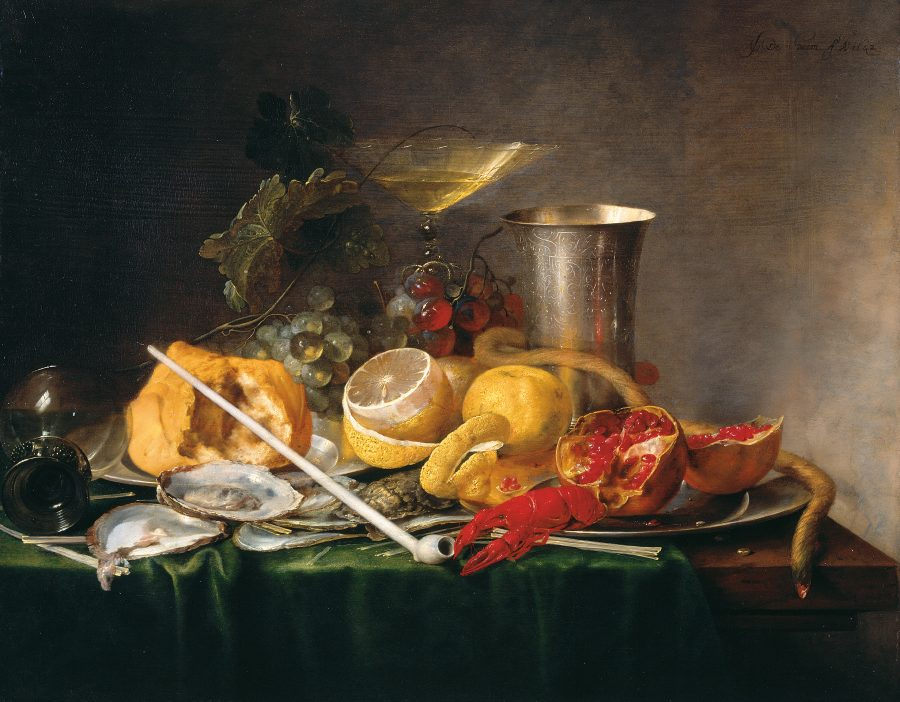
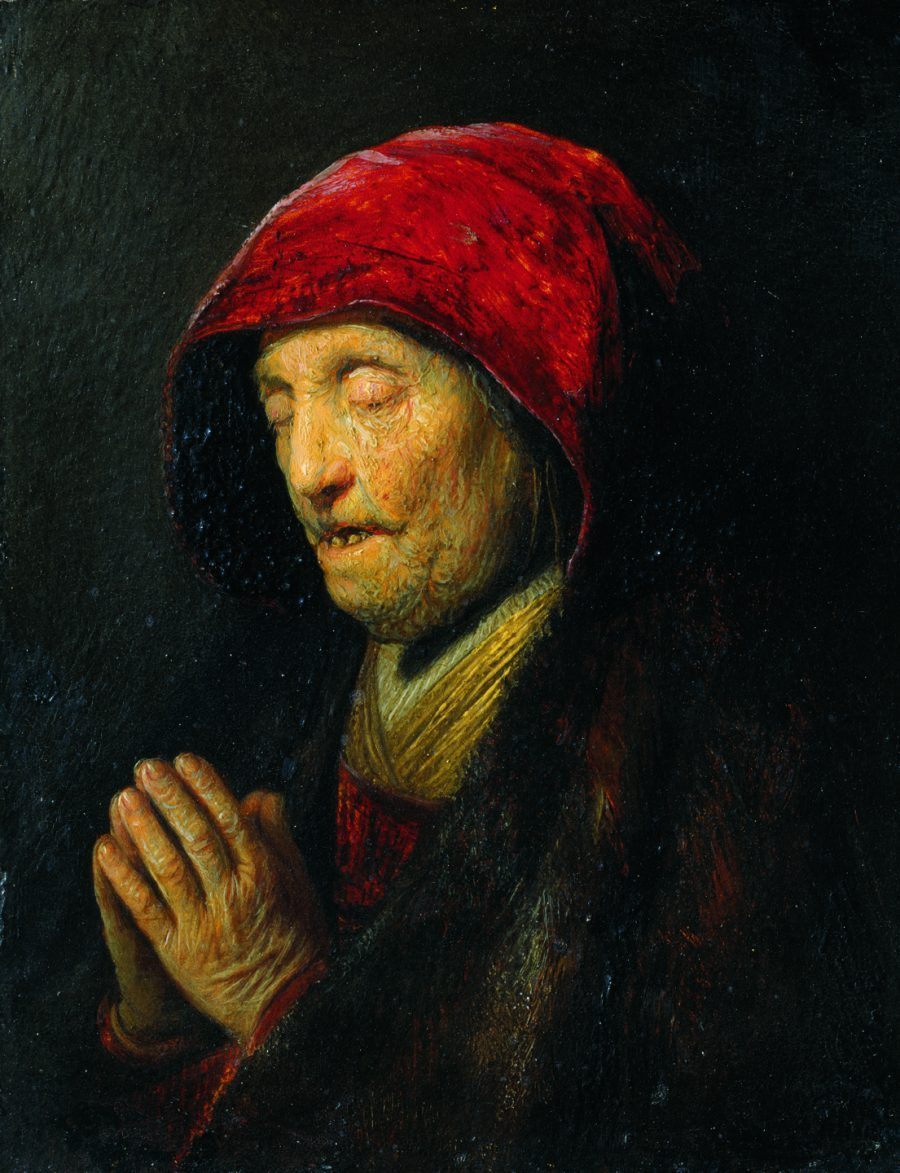
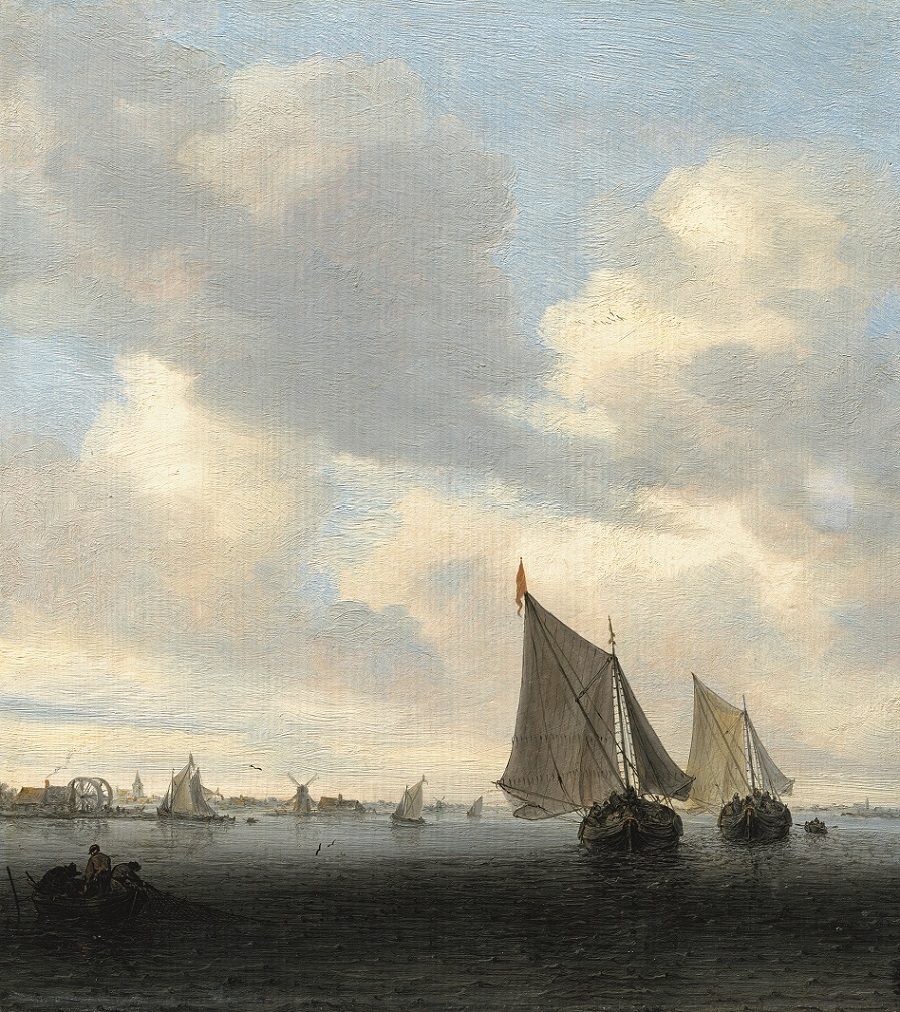
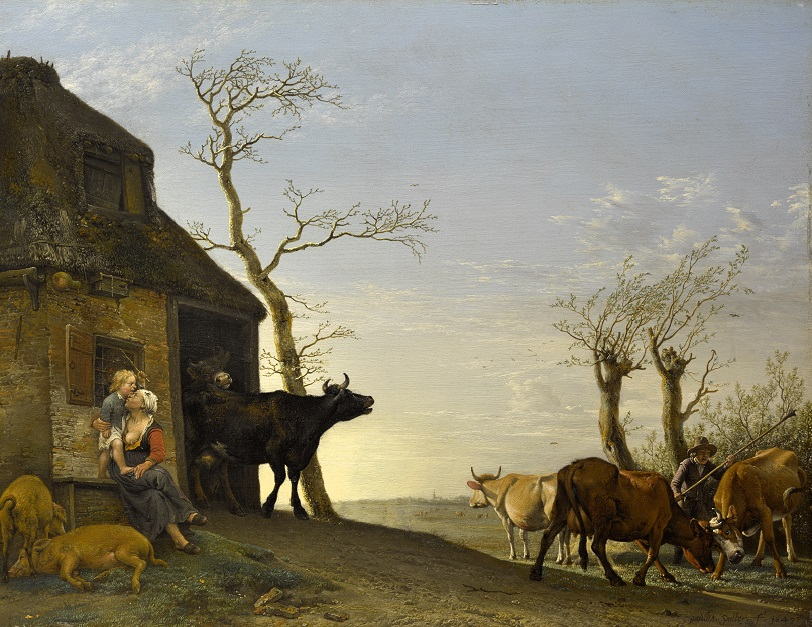
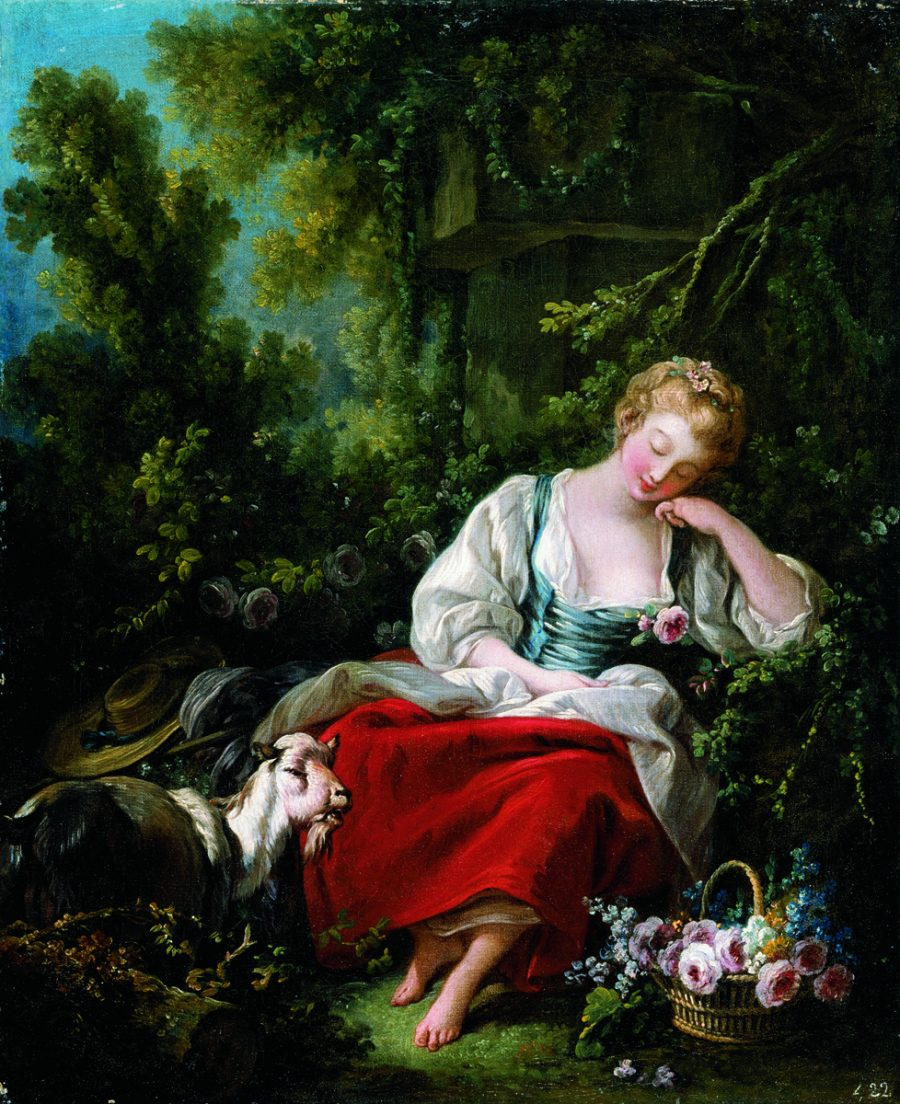
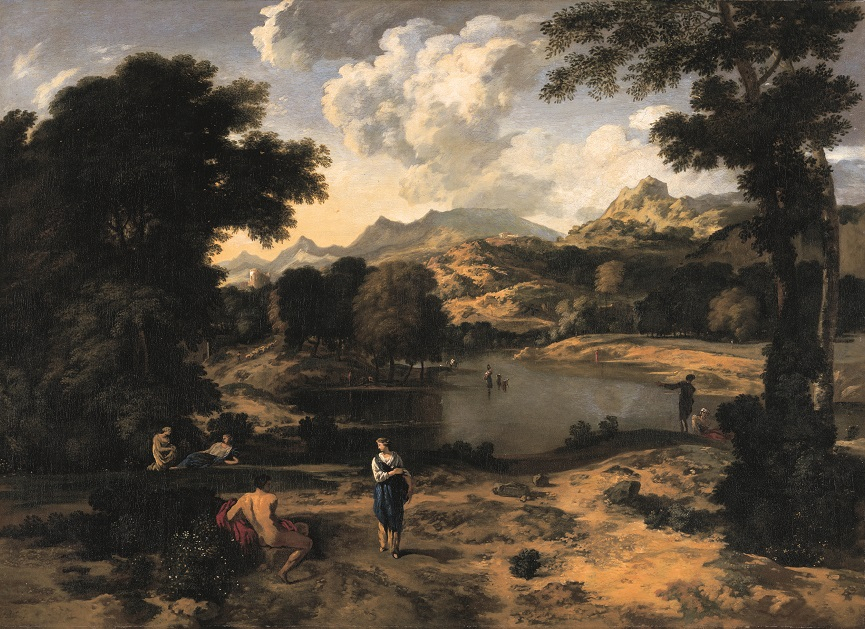
Of outstanding interest are the 17th-century Dutch paintings acquired from the Viennese collection of Count Czernin. The Residenzgalerie Salzburg also presents works by important Italian, French and Austrian masters of the 17th and 18th centuries, and the collection is rounded off by 19th-century Austrian painting.

to the Collection Online of the Residenzgalerie Salzburg

to the video series: "At home with Count Czernin"

Special exhibitions

Focus of the Residenzgalerie Salzburg

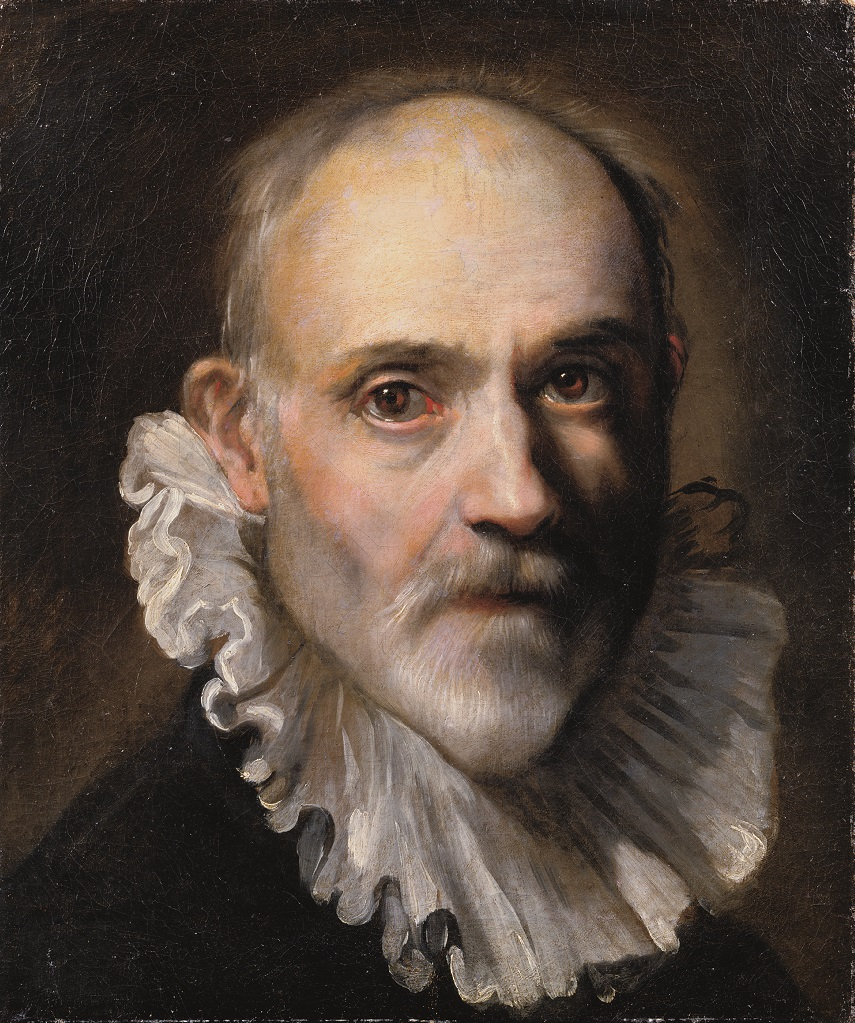
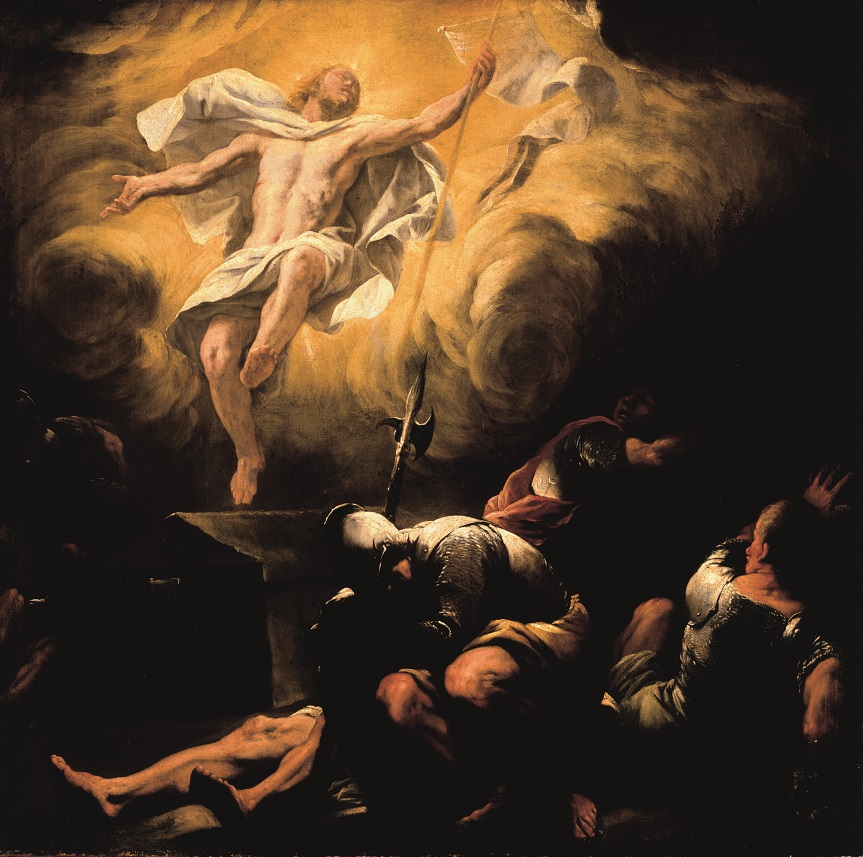
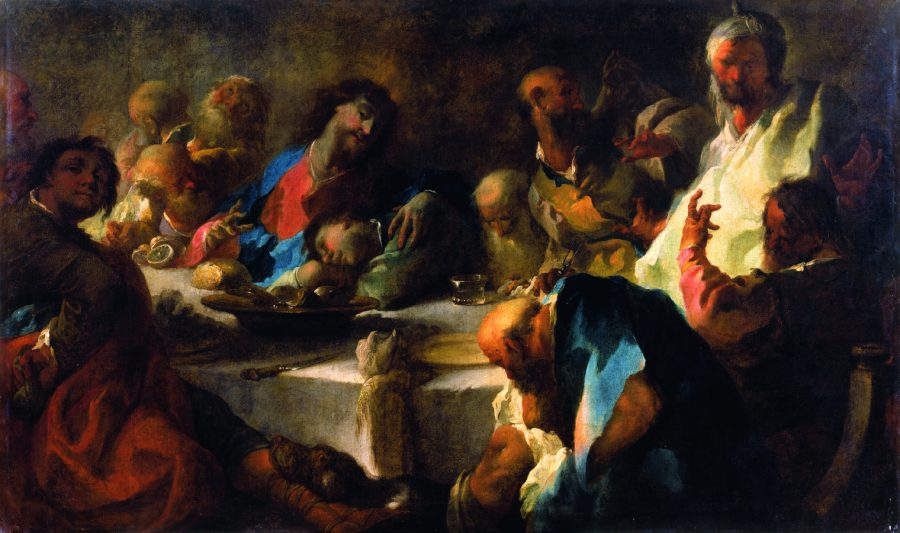
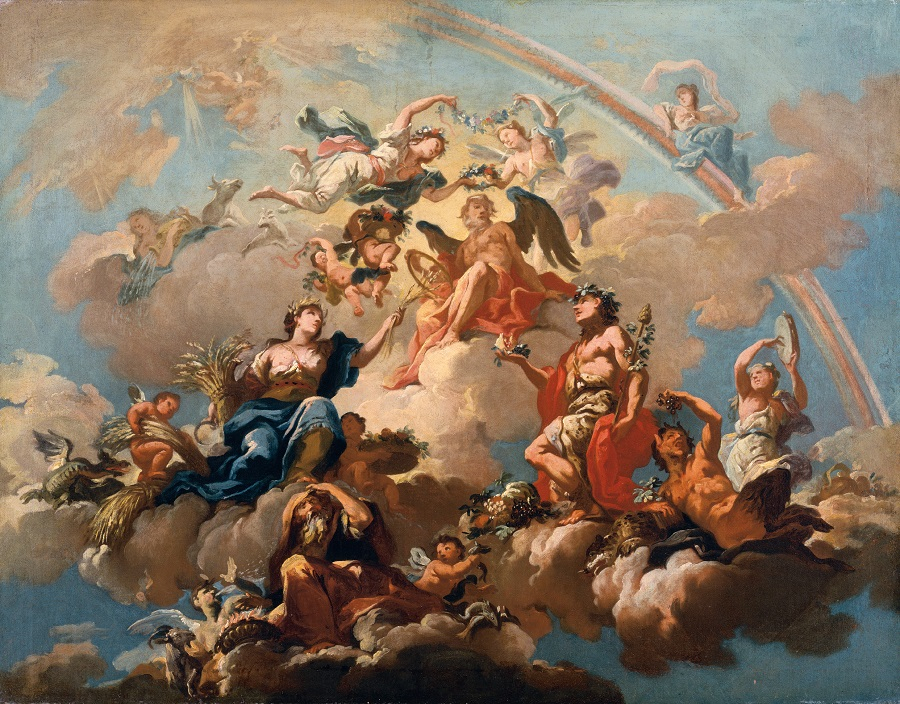
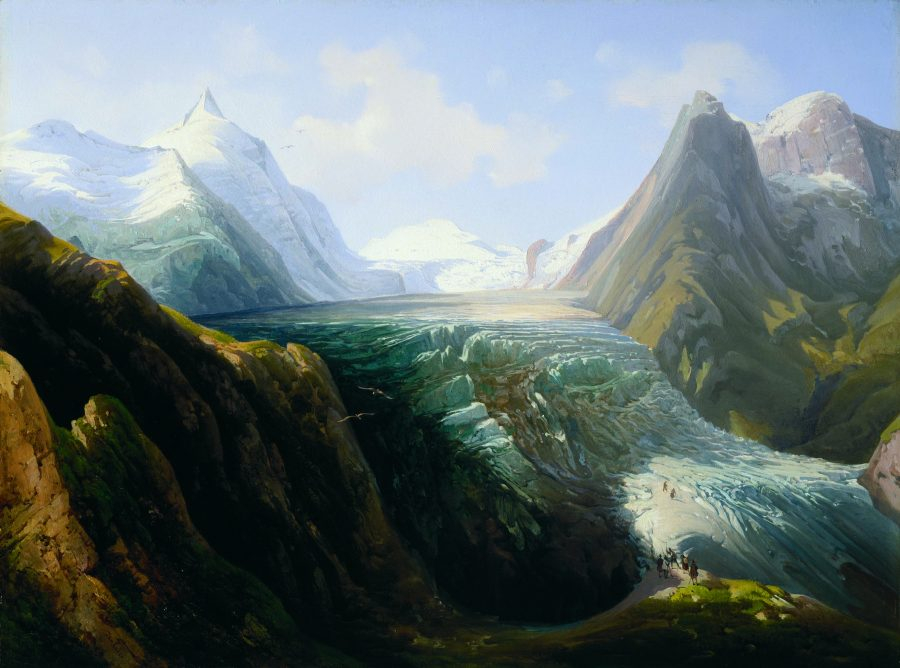
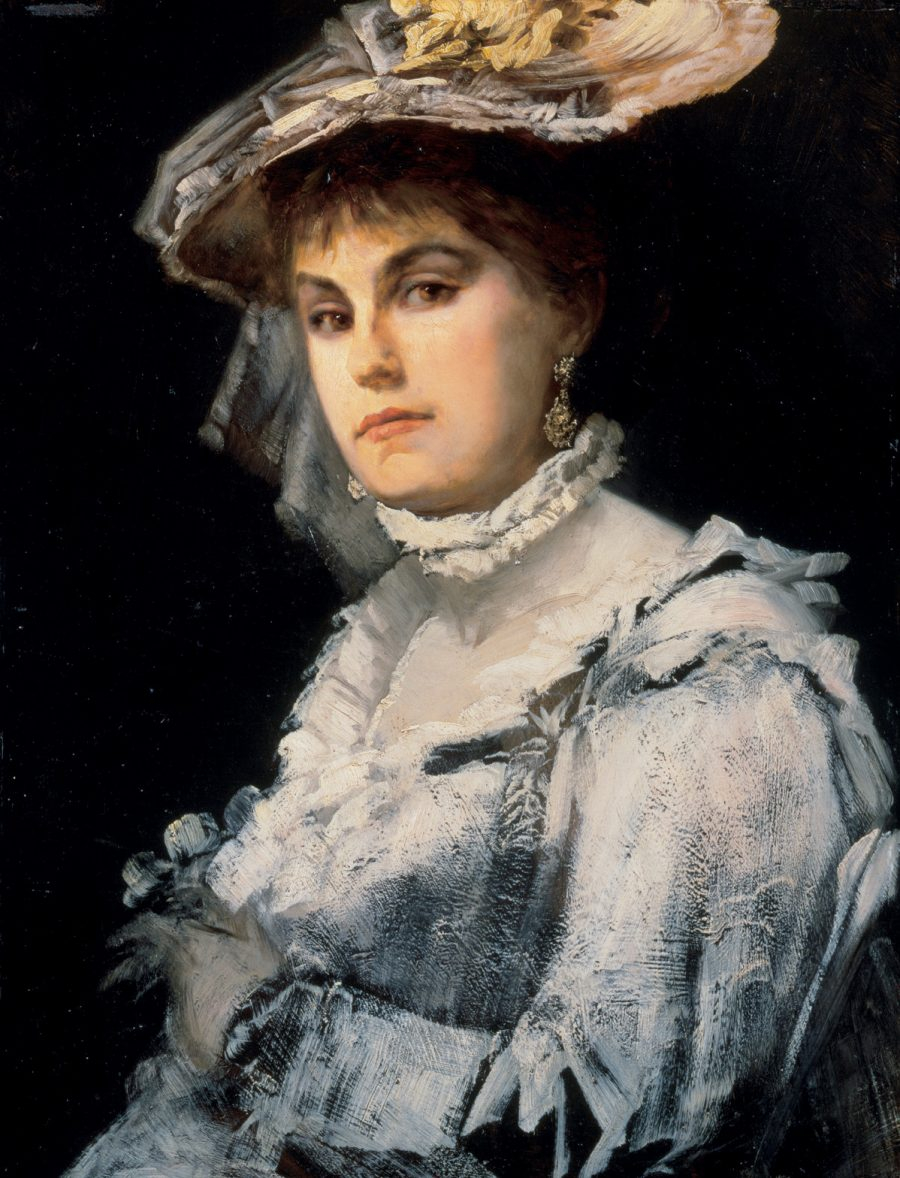
17th-century Dutch painting (Rembrandt, Rubens, Brueghel), 17th and 18th-century Italian, French and Austrian painting as well as works by 19th-century Austrian masters (Waldmüller, Amerling, Makart, Ender). The permanent exhibition is completed by regular special exhibitions.
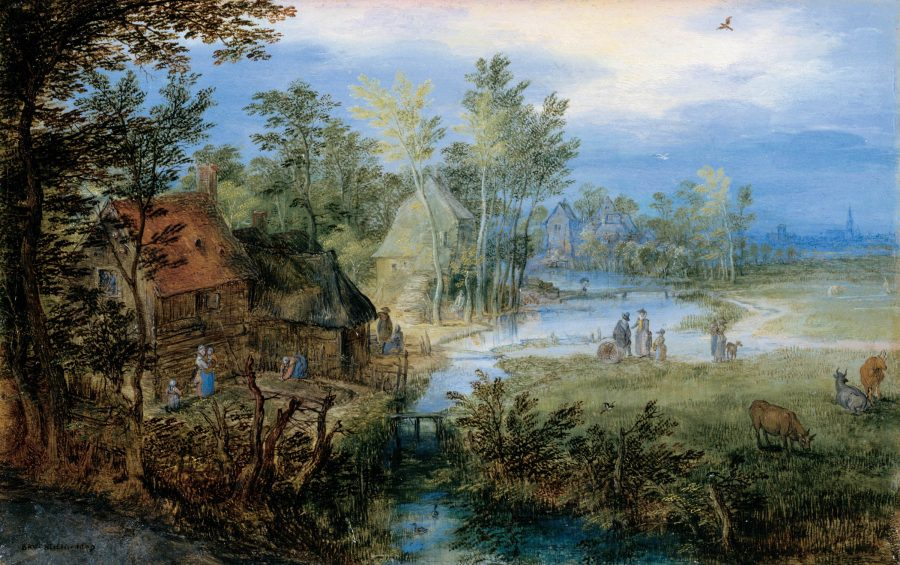
Flemish Baroque

>> More pictures about the Flemish Baroque on Google Arts & Culture


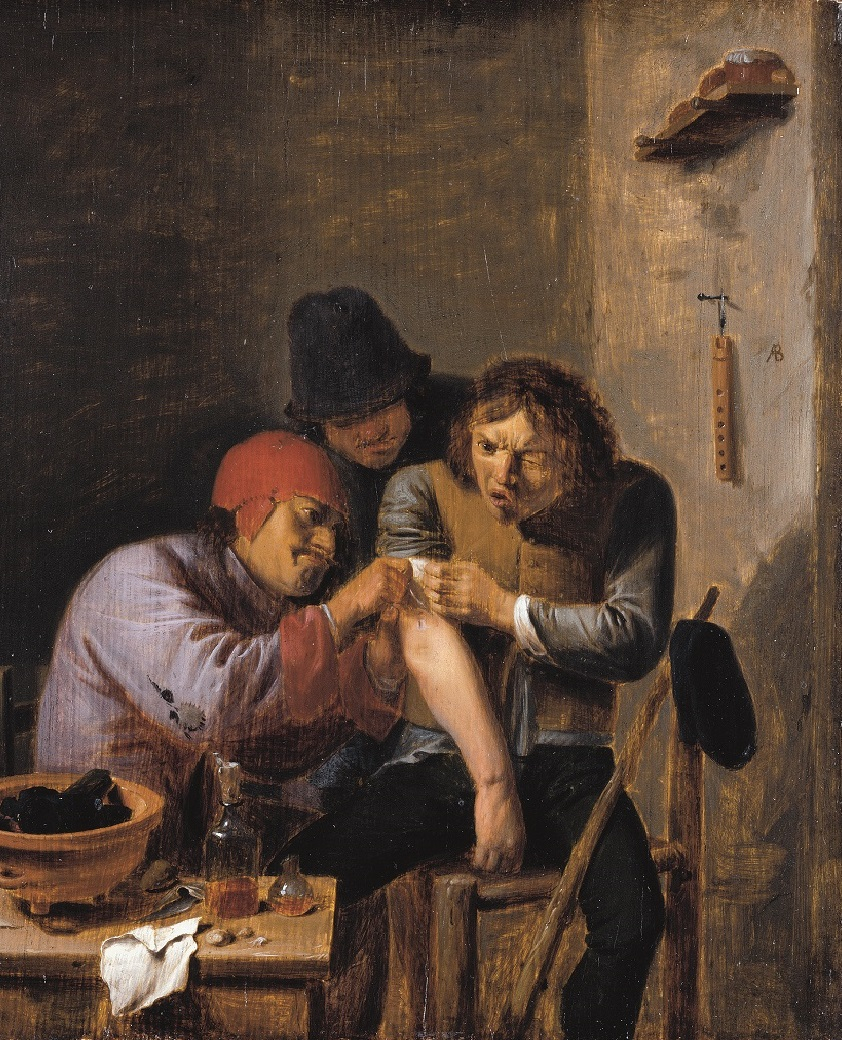
Dutch Baroque

>> More pictures about the Dutch Baroque on Google Arts & Culture


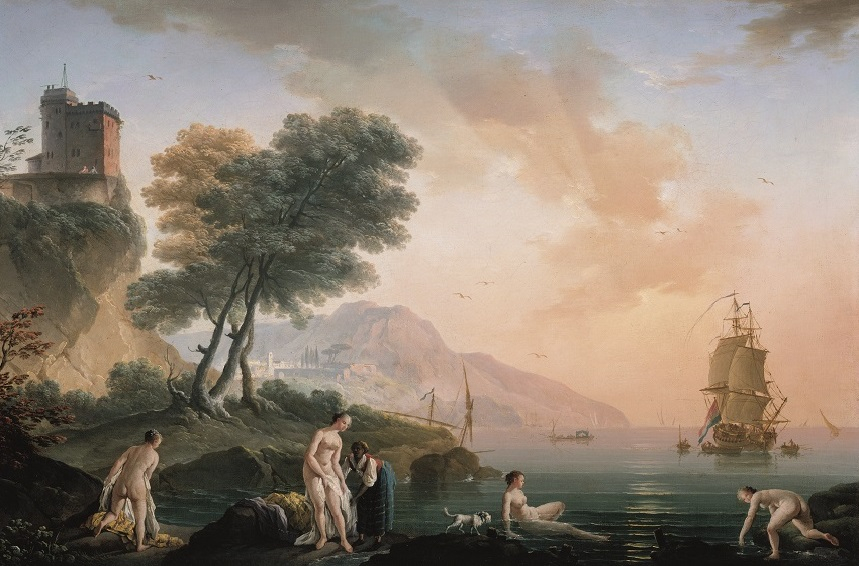
French Baroque

>> More pictures about the French Baroque on Google Arts & Culture


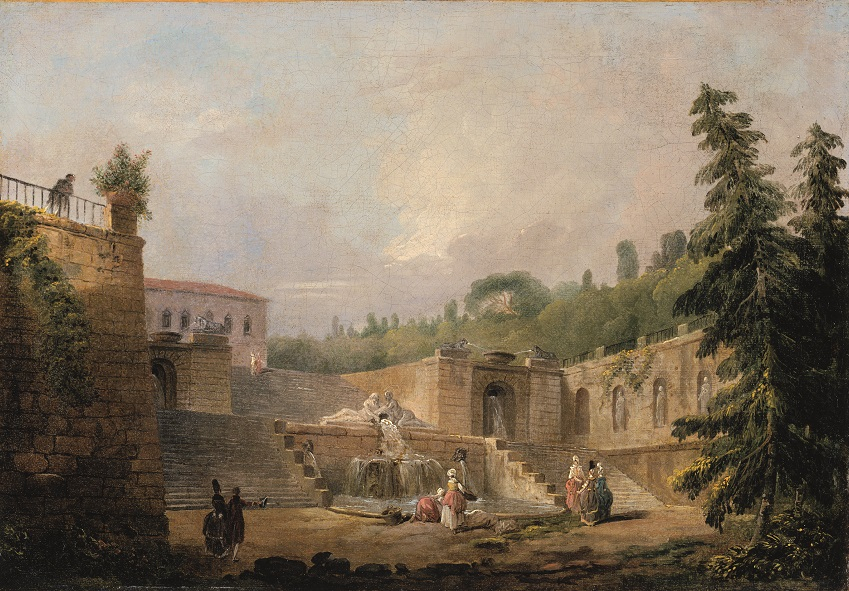
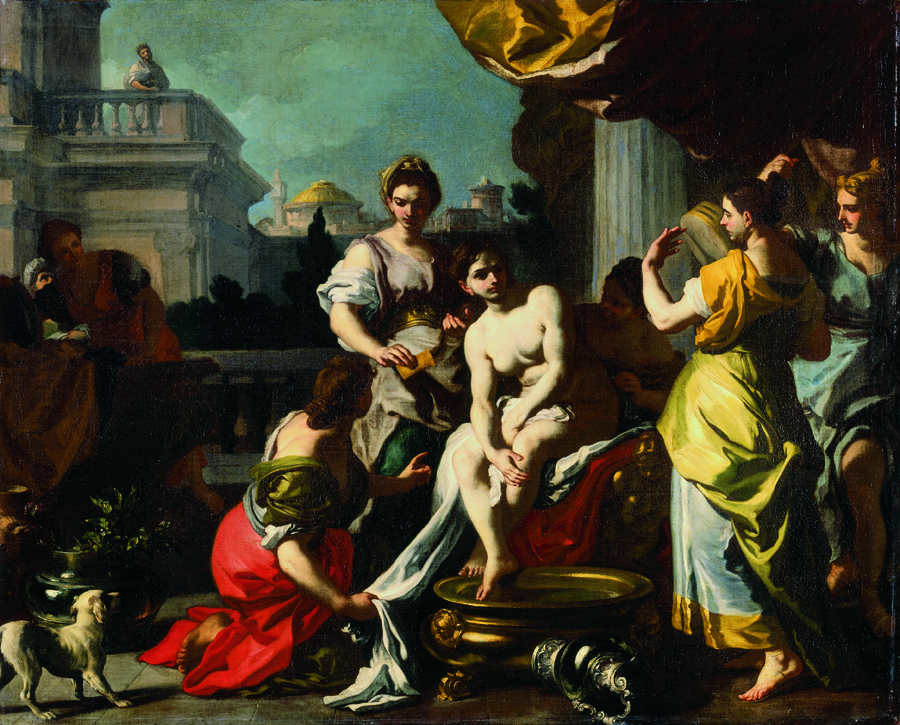
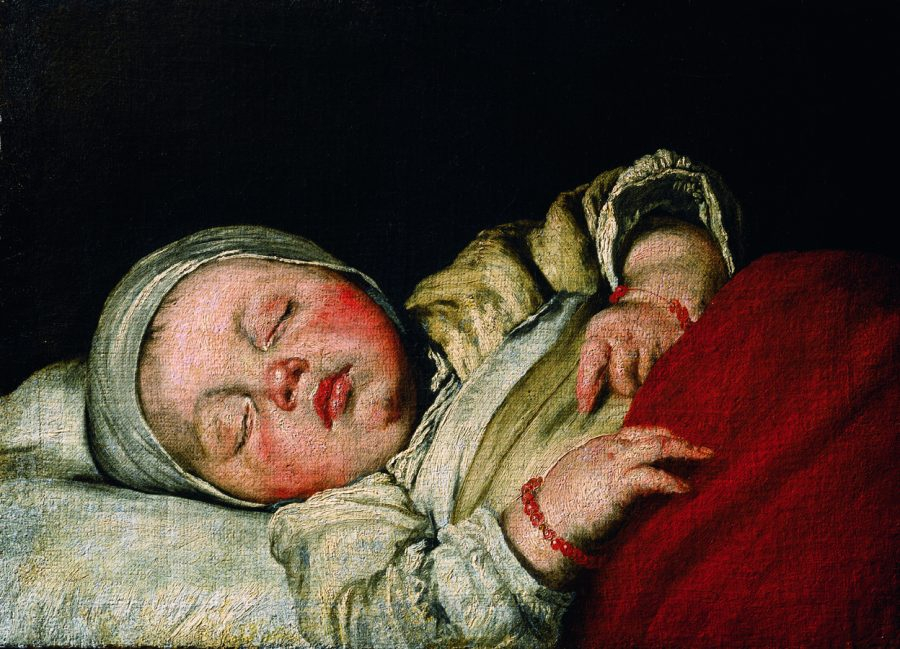
Italian Baroque

>> More pictures about the Italian Baroque on Google Arts & Culture


Austrian Baroque

>> More pictures about the Austrian Baroque on Google Arts & Culture


Austria 19th century

>> More pictures about the Austria 19th century on Google Arts & Culture


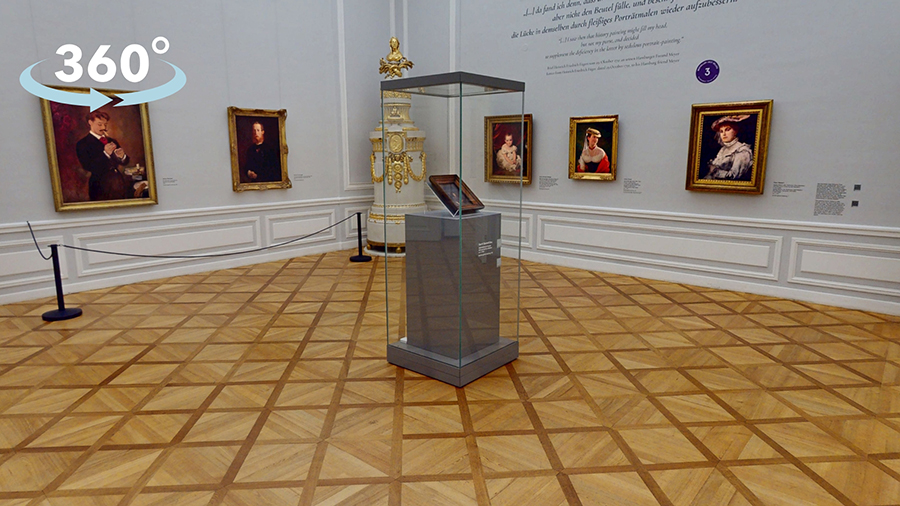
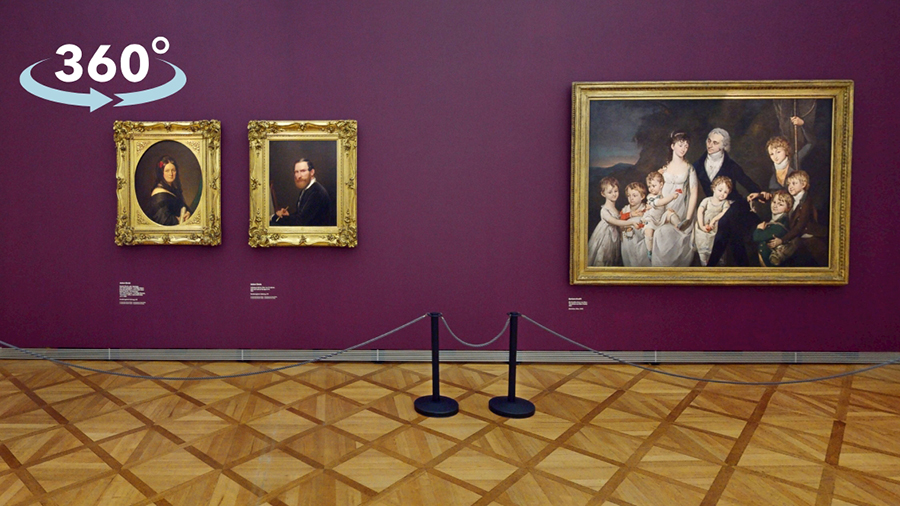
Virtual tour : Residenzgalerie Salzburg. Selected works (31.1.2025 till 12.5.2025)


Virtual tour through the exhibition: From 0 to 100. 100 years of the Residenzgalerie, 100 reasons to celebrate

Virtual tour through the exhibition: Colloredo. Reformer in a new light

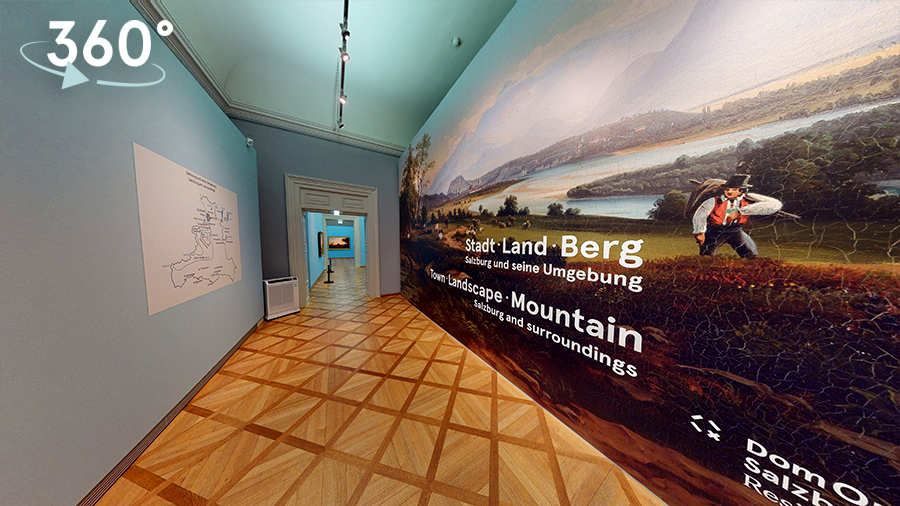
Virtual tour through the exhibition: Town • Landscape • Mountain – Salzburg and surroundings


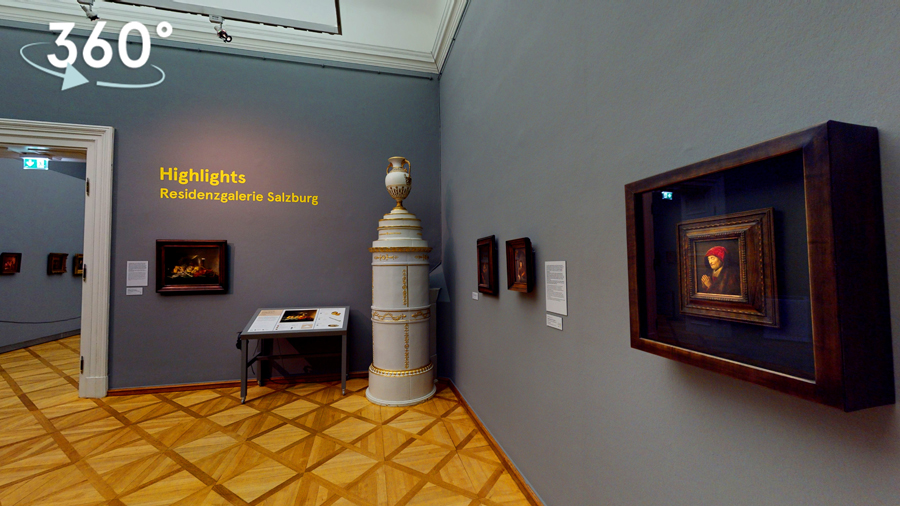
Virtual tour through the exhibition: Highlights. Residenzgalerie Salzburg

Foto aus der virtuellen Ausstellung: Highlights. Residenzgalerie Salzburg


Virtual tour through the exhibition: Mastworks. Residenzgalerie Salzburg

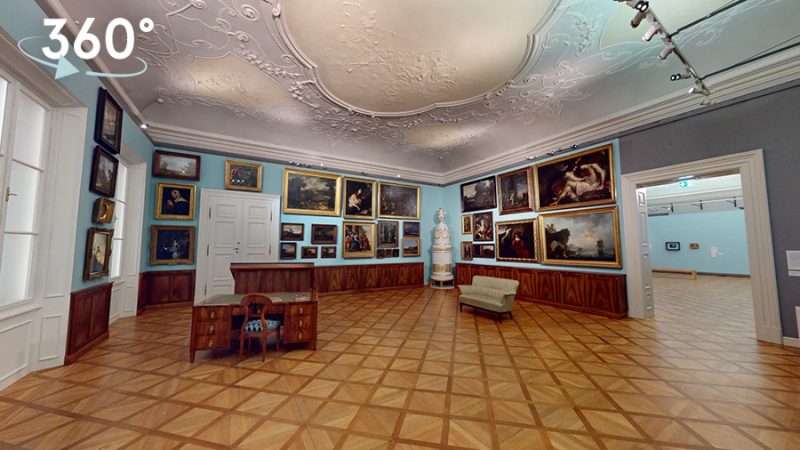
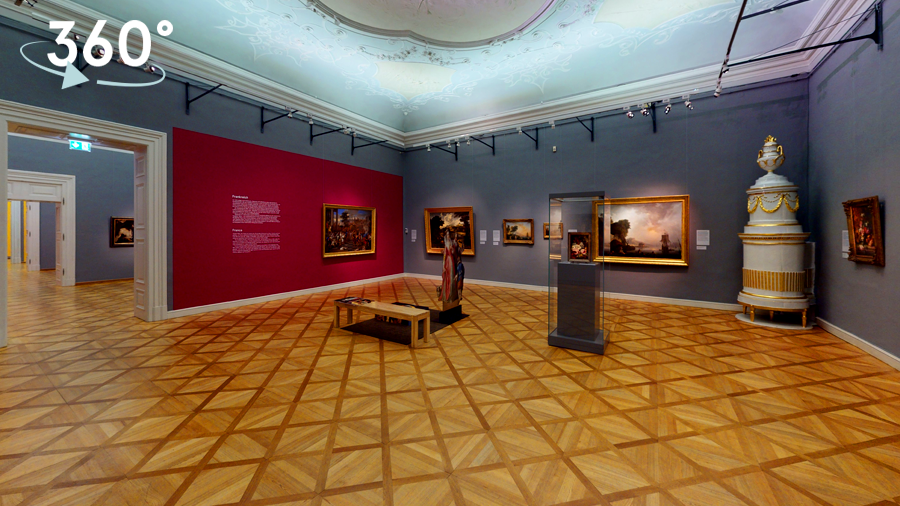
Ein barocker Raum mit Stuck an der Decke und einem kunstvollen Holzboden, barocke Bilder sind an den roten und grauen Wänden


The museum

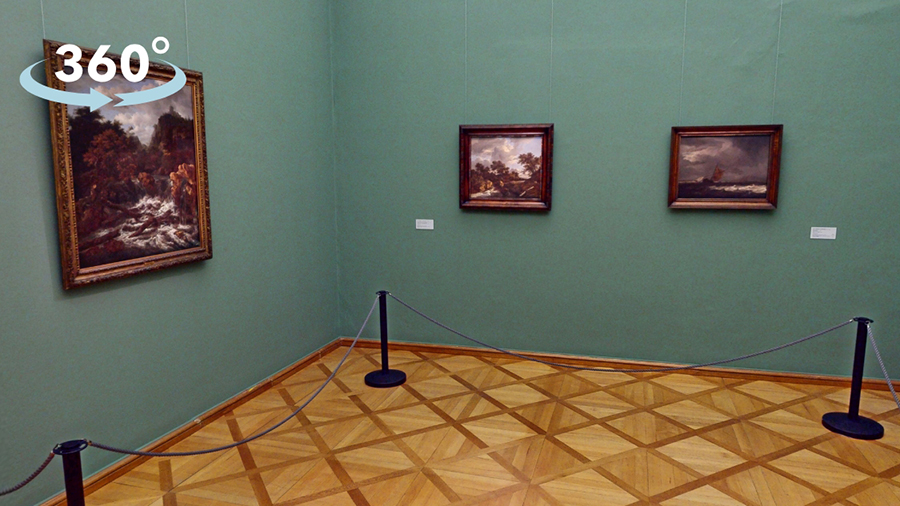
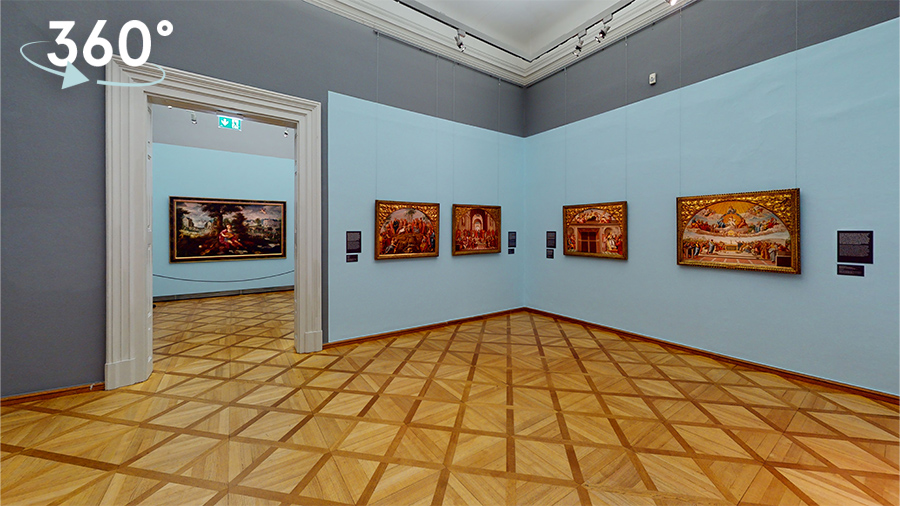
The paintings are presented in 11 rooms of the former archiepiscopal Residenz.
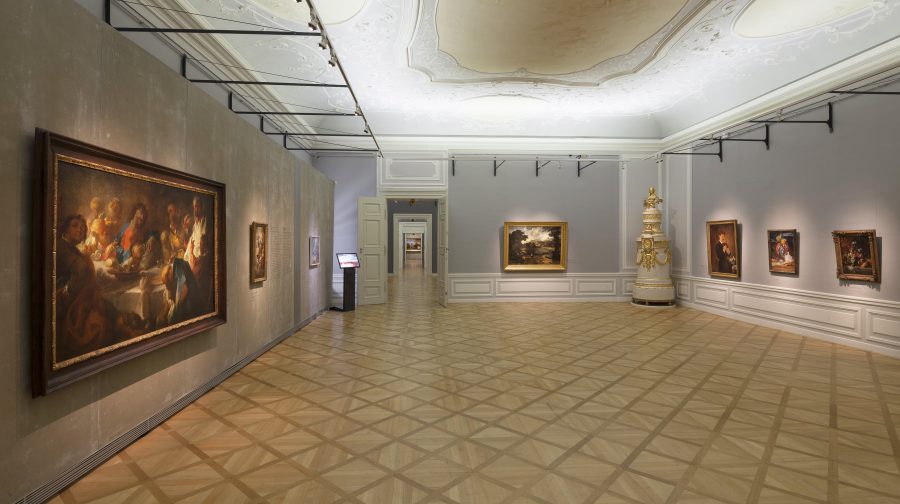
Residenzgalerie Salzburg © RGS/Eckschlager

The history of the Residenzgalerie

Founded in 1923, the Residenzgalerie was intended on the one hand to replace the archiepiscopal art collection, lost in the early 19th century, and on the other to boost tourism in the Town and Province of Salzburg. Political events forced its closure in 1938.

Reopened on 3 August 1952, the gallery focused on the collection of 16th- to 20th-century paintings. When the Province of Salzburg established the Rupertinum museum for 20th-century art in 1980, the Residenzgalerie handed over its complete stock of 20th-century art.


The works purchased by the Residenzgalerie between 1956 and 1994 from the former Czernin Collection in Vienna constitute the most important stock of paintings. These works were collected by Count Johann Rudolf Czernin between 1800 and 1840.

The Residenzgalerie is situated in the east wing of the Residenz, the fabric of which dates back to around 1600. The stucco work on the ceilings in the northern rooms was commissioned by Prince-Archbishop Franz Anton Harrach, who used these rooms as audience chambers and living quarters. At the end of the 18th century, Archbishop Hieronymus Colloredo used this storey for the first time to display the archiepiscopal painting collection.

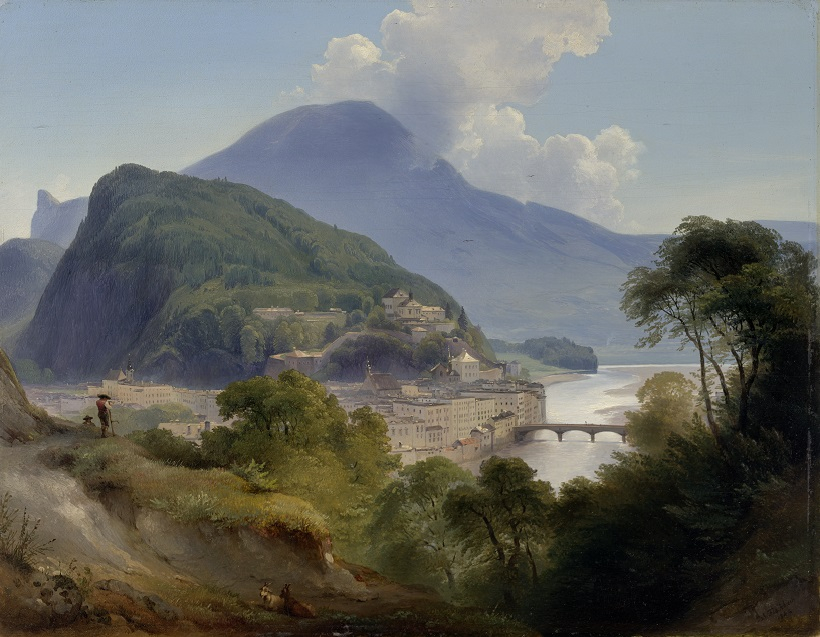
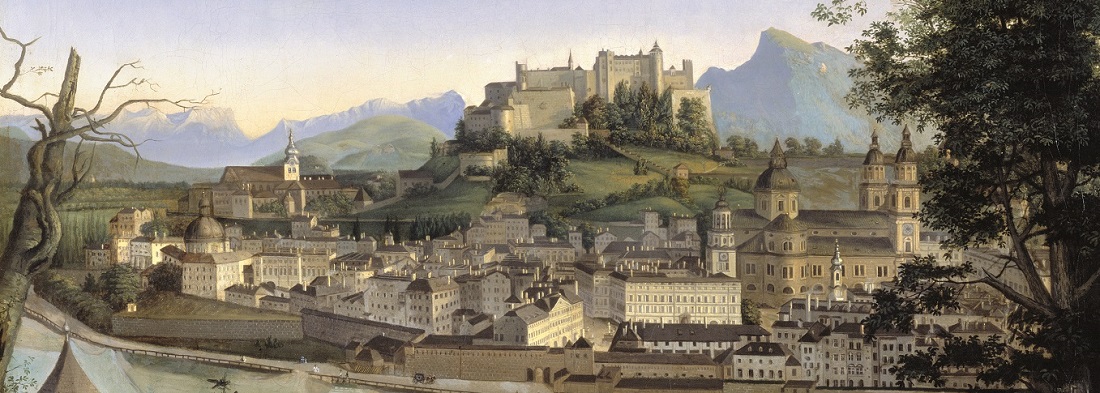
Franz Xaver Mandl, View of Salzburg, 1835, oil/canvas, 68 x 92.5 cm, inv. no. 220 © RGS/Ghezzi

Research

Bibliothek

Discover our library. We look forward to welcoming you personally or online.
The library was built up systematically in conjunction with our permanent collection, focusing on European painting of the 16th – 19th centuries. The book stock comprises literature in several languages.

We are a reference library, so it is not possible to borrow books. Please make an appointment if you wish to visit in person:

Tel.: +43 662 8042 2109
E-mail: office@domquartier.at


Online search
(The online search takes you to the German-language website, but entries may be made in other languages.)

You can start your search with a key word. The result will take you to the page “Bibliotheken im Salzburger Landesarchiv” with the name “Bibliothek der Residenzgalerie Salzburg (Amtsbibliothek 551)”.


Conservation

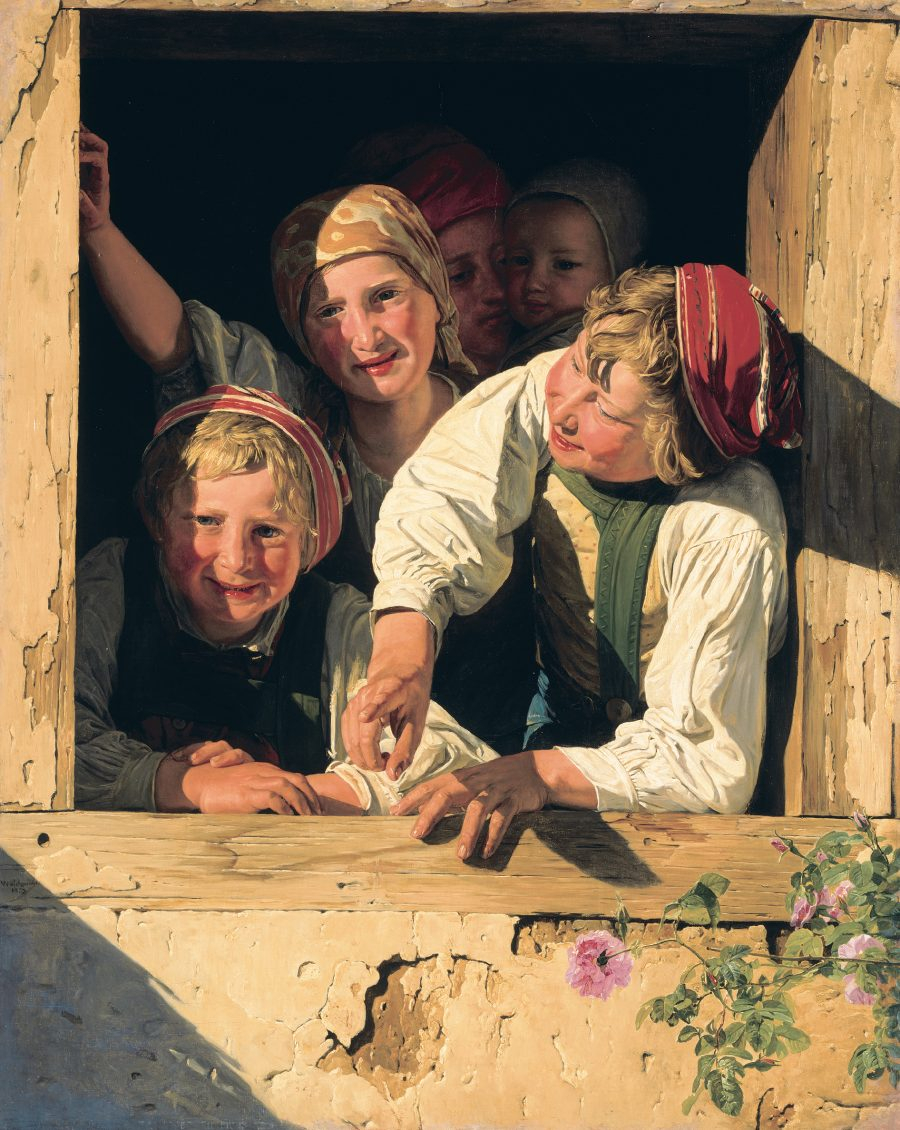
Restoration of Waldmüller’s Children at the Window hadlong been intended, since the painting not only showedaesthetic defects, but also required preventive treatment. This was carried out early in 2023.

The aim was to restore the painting to the condition of the original artistic intention, by bringing to light obscured details of the composition, the spatial effect and subtleties of the painting. The tear was to be expertly closed, the area around it stabilised and paint losses to be filled and integrated into the picture.

The restoration allowed exposure of intact areas of the painting layer, thus improving the legibility of the picture. The yellowed varnish having been removed, the colours once more show to full effect. The large tear was invisibly integrated into the picture. The painting is now in a stable and aesthetically appealing condition.

To the video about the restoration

2023 Mag. Dr. Thomas Habersatter, Mag. Astrid Ducke, Residenzgalerie Salzburg | DomQuartier Salzburg
Mag. Gerhard Walde, Mag. Simone Wernitznig, Mag. Elisabeth Reith, Atelier Walde, Vienna
Thanks for the support for the conservation and restoration of the painting by Ferdinand Georg Waldmüller, Children at the Window, 1853, Residenzgalerie Salzburg, Inv. no. 335, to Federal Chancellery of Austria

Sponsored by the Federal Chancellery of Austria (dept. VI/4 culture funding)

  • Restoration project 
  • Remounting of panels in ornamental frames

2015 – 2019 Dr. Erika Oehring
2020 – 2021 Mag. Astrid Ducke

Mag. Gerhard Walde
Conservation and restoration of historical, modern and contemporary art, Vienna

The Residenzgalerie owns 81 panel paintings (16th -19th centuries). In the historical premises, these paintings react extremely sensitively to atmospheric fluctuations, which are reinforced by factors including increased flow of visitors. The aim of the restoration project is to make controlled movement (expansion / contraction) possible for the wooden picture supports, by means of a newly-developed mounting technique with flexibly defined pressure adapted to each individual panel.

Sponsored by the Federal Chancellery of Austria (dept. VI/4 culture funding)


Since 1987, the Province of Salzburg has checked the provenance of all the art objects in its museums.
In 1998, a publication was issued on the Residenzgalerie Salzburg collection exhibited during the period 1923 – 1938 as loans or acquisitions.
Literature: PLASSER 1998. Gerhard Plasser, residenzfähig. Sammlungsgeschichte der Residenzgalerie Salzburg 1923 – 1938, Salzburg 1998

Commissioned by the Province of Salzburg, the provincial archive produced an edition (published in 2000) of the inventory register drawn up by art dealer Friedrich Welz between 1942 and 1944 for the art-works acquired by the National Socialist “Landesgalerie Salzburg”.
Literature: KOLLER 2000. Fritz Koller, Das Inventarbuch der Landesgalerie Salzburg. 1942 – 1944. Salzburg 2000

In 2007, the Residenzgalerie Salzburg was the first Austrian museum to publish a complete verso documentation of the art-works acquired for the Salzburg Landesgalerie during World War II. Immediately upon publication, the Province of Salzburg sent complimentary copies to all institutions worldwide that were pursuing provenance research – such as the Simon Wiesenthal Centres in Vienna and Los Angeles, and the Jewish Communities in Vienna and Salzburg.
Literature: JUFFINGER, PLASSER 2007. Roswitha Juffinger, Gerhard Plasser, Salzburger Landessammlungen 1939 – 1955. Salzburg 2007

Following the establishment of the Rupertinum (now Museum der Moderne Salzburg) in 1983, the works (1st half of 20th century) purchased during the War by Friedrich Welz were handed over to the Museum der Moderne. For details on the Museum’s provenance research and restitutions, see the Museum website.

In 2026, the Residenzgalerie’s online collection was expanded, now progressively including provenance details previously documented in publications. The preferred source is “Residenzgalerie Salzburg. Gesamtverzeichnis der Gemälde. Complete Inventory of Paintings” (2010), which contains all provenance and bibliographical references from previous publications.

Bibliography:
JUFFINGER 1988. Roswitha Juffinger: Salzburg als Motive. Die Graphiksammlung der Residenzgalerie Salzburg. Salzburg 1988
PLASSER 1998. Gerhard Plasser: residenzfähig. Sammlungsgeschichte der Residenzgalerie Salzburg 1923 – 1938, Salzburg 1998
HÖLLER 1998. Lydia Höller: Passion. Spätgotische Bestände der Residenzgalerie Salzburg. Salzburg 1998
HUSTY 1998. Peter Husty: Salzburger Kulturschätze. Dokumentation zum zwanzigjährigen Bestand des Komitees für Salzburger Kulturschätze. 17. Ergänzungsband der Mitteilungen der Gesellschaft für Salzburger Landeskunde. Salzburg 1998
RAMHARTER 1999. Johannes Ramharter: Barocke Skulpturen der Residenzgalerie Salzburg. Salzburg 1999
KOLLER 2000. Fritz Koller: Das Inventarbuch der Landesgalerie Salzburg. 1942 – 1944. Salzburg 2000
JUFFINGER, PLASSER 2007. Roswitha Juffinger, Gerhard Plasser: Salzburger Landessammlungen 1939 – 1955. Salzburg 2007
JUFFINGER 2008. Roswitha Juffinger (Hrsg.): Erzbischof Guidobald Graf von Thun 1654–1668. Ein Bauherr für die Zukunft. Salzburg 2008
JUFFINGER 2010. Roswitha Juffinger (Hrsg.): Residenzgalerie Salzburg. Gesamtverzeichnis der Gemälde. Complete Inventory of Paintings. Bd. 1. u. 2, Salzburg 2010
JUFFINGER 2011. Roswitha Juffinger (Hrsg.): Zentrum der Macht. Die Salzburger Residenz 1668 – 1803. Bd. 1 u. 2, Salzburg 2011
JUFFINGER Roswitha, WALDERDORFF Imma (Hrsg.): Czernin. Verzeichnis der Gemälde. Wien 2015
DUCKE 2017. Astrid Ducke. Zurückgeholt. Salzburg 2017. The 21 paintings handed over to the Province of Salzburg on 1 August 2017, in the course of the dispute between the federal government and the Province regarding provincial assets, are now listed in the inventory of the Residenzgalerie Salzburg.
JUFFINGER 2019. Roswitha Juffinger: Erzherzog Ludwig Viktor. Franz Josephs jüngster Bruder und sein Schloss Kleßheim. Salzburg 2019
DUCKE, HABERSATTER 2023. Astrid Ducke, Thomas Habersatter (Hrsg.): von I from 0 auf I to 100. Residenzgalerie Salzburg 1923-2023. Salzburg 2023
STOCKHAMMER 2025. Andrea Stockhammer: Jacob Isaacksz. van Ruisdael: Hügelige Waldlandschaft mit Falkner und Reiter. Eine prominente Neuerwerbung für die Sammlungen der Residenzgalerie Salzburg. Jacob Isaacksz. van Ruisdael: Hilly and wooded Landscape with Falconer and Horseman. A prominent new acquisition for the collection of the Residenzgalerie Salzburg. Salzburg 2025
DUCKE, HABERSATTER 2025. Astrid Ducke, Thomas Habersatter (Hrsg.): Face to Face. Österreichische Porträtmalerei des 19 Jahrhunderts. 19th-century Austrian portrait painting. Salzburg 2025


The “tonal painting” research project comprises paintings of the Leiden and Haarlem schools from the Dutch collection of the Residenzgalerie, Province of Salzburg. 

Download pdf (in german)

The project aims first: to prepare an online version with an appraisal of the historical photographs and a study of the Salzburg art market around 1920, including the selling arrangements of Ludwig Viktor’s estate by the Dorotheum in Vienna and the American Art Association in New York, and second: to prepare a concept for an exhibition project including those items from the estate now in possession of the Province of Salzburg and the Salzburg Museum.

Dr. Roswitha Juffinger
Art historian, Vienna
Project of the Province of Salzburg / DQ Salzburg collections / Salzburg archive
E-mail: roswitha@juffinger.cc


Enquiries


Curators

Art educator

Shop

Shop: Ribolits Annemarie

Since 2014, the Salzburg Residenzgalerie has been part of the DomQuartier. The DomQuartier tour takes visitors through the special exhibitions in the Residenzgalerie.

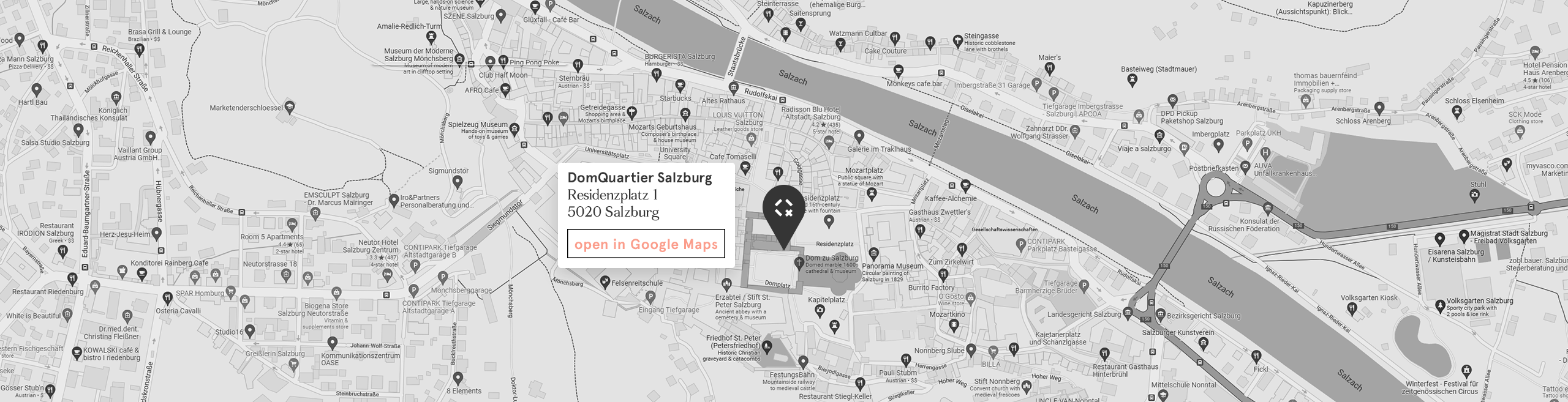
DomQuartier Übersichts-Karte
Top