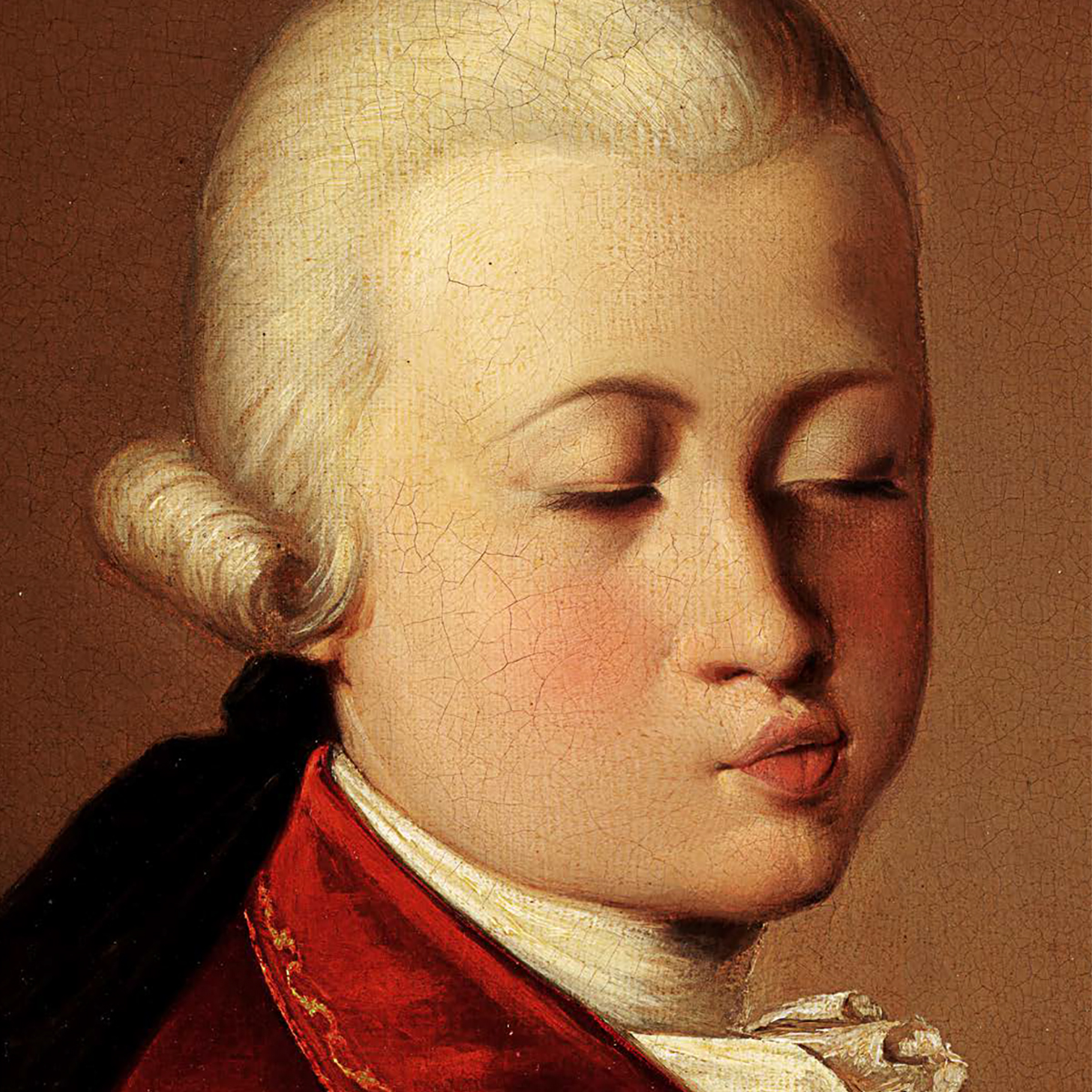
Christian Leopold Bode, W.A. Mozart, 1859 (detail/edited)
Closer to Mozart than anywhere else in Salzburg
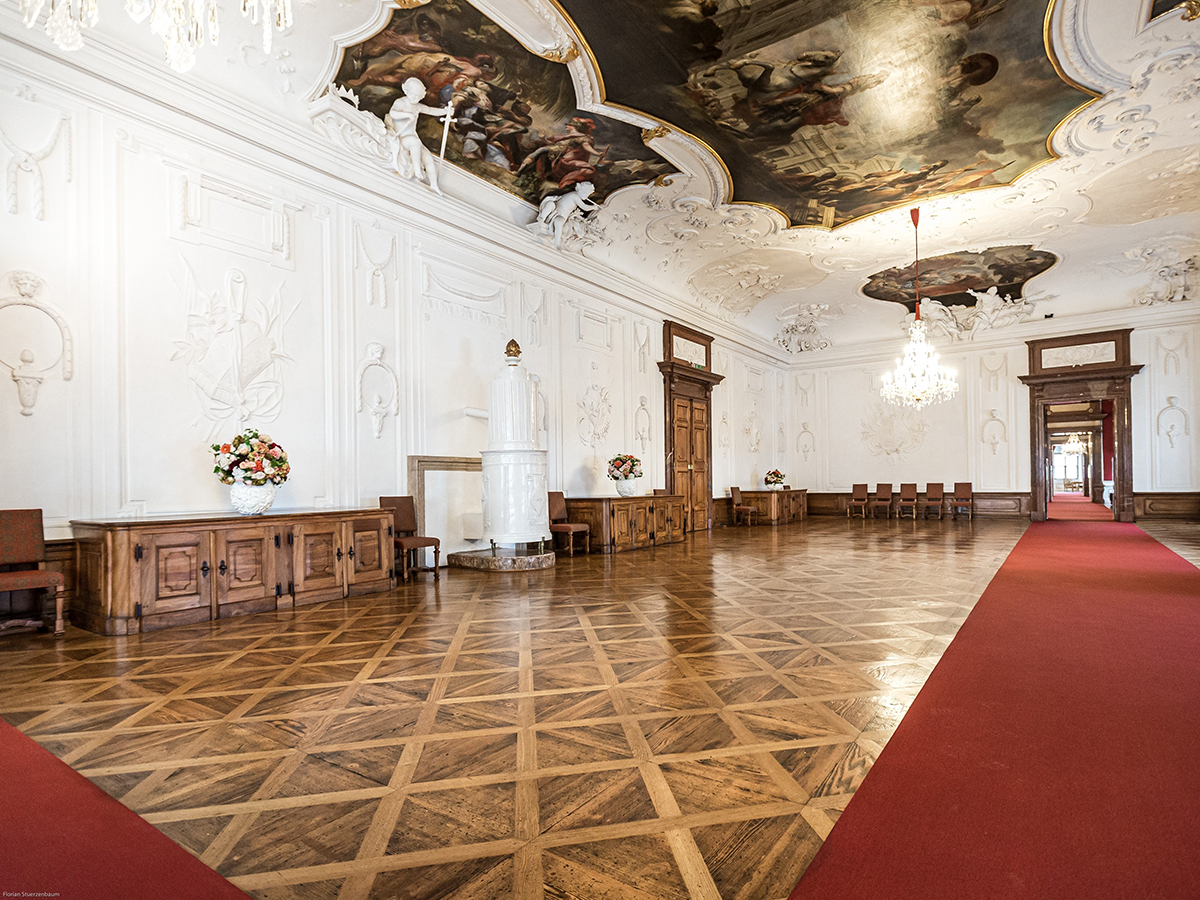
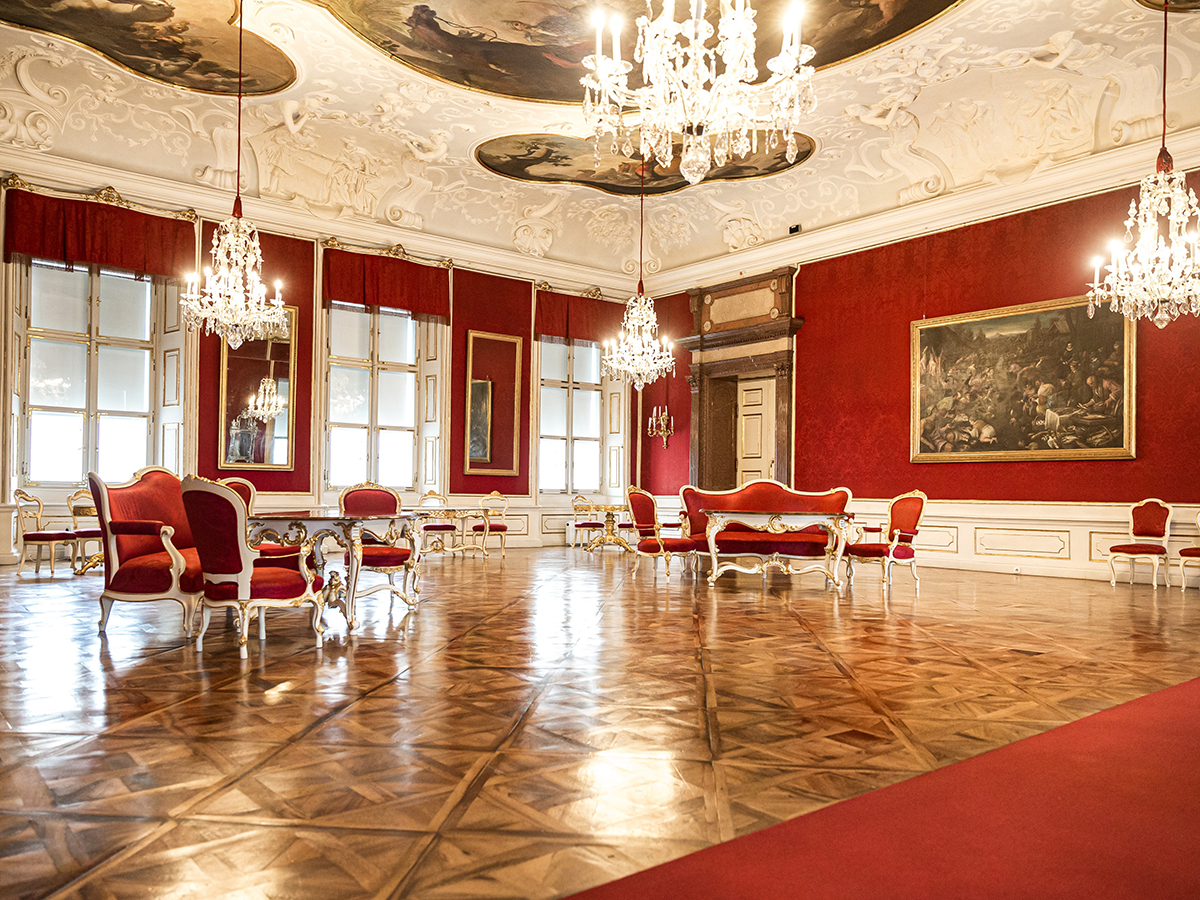
Listen to Mozart’s works where he himself performed them! The Salzburg Residenz is the very place for which the young Mozart composed his music, and where he performed regularly. Our concert series “Date with Mozart” is performed by members of our Residenz-Ensemble in a chamber music setting. Depending on the programme, which changes regularly, two to four musicians will perform. The exact programme will be published in advance. >> TO THE PROGRAMME
Music in the heart of the UNESCO World Heritage Site
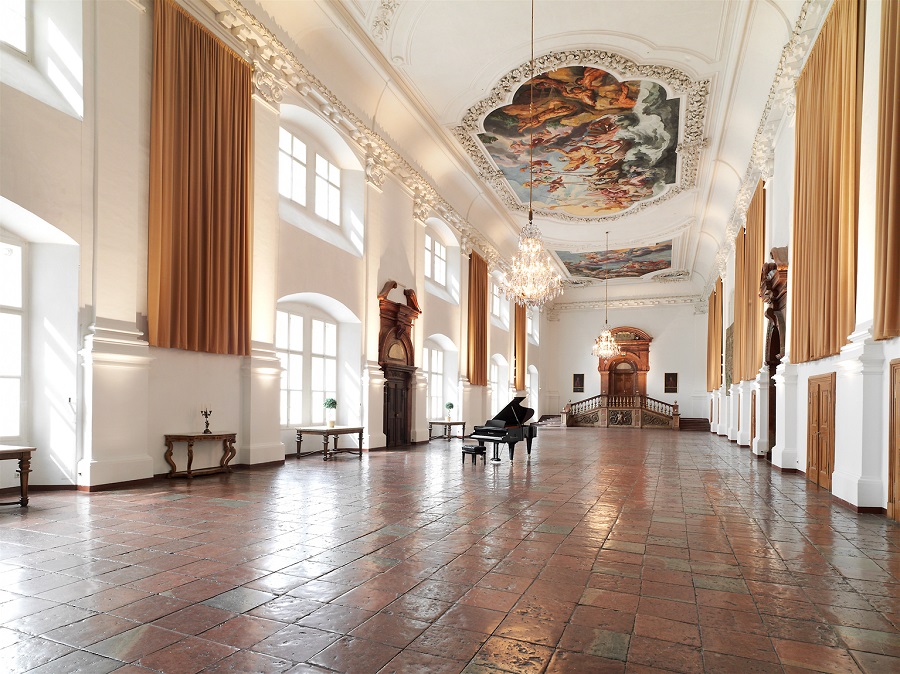
What Mozart’s music is to the ears, the state rooms are to the eyes – and both together represent a unique space-sound experience that is unrivalled. For all those who want to be close to the spirit of the master in the heart of the UNESCO World Heritage Site.
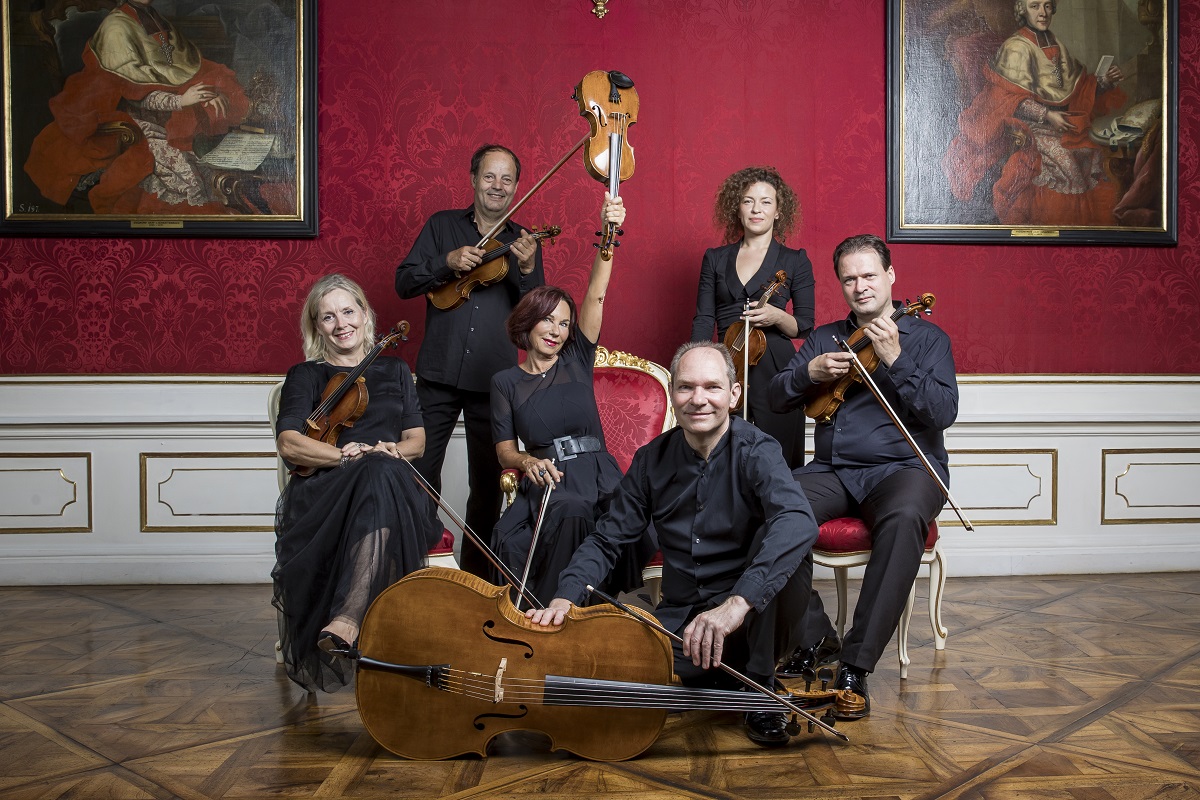
Residenz-Ensemble Salzburg
Every Saturday and Sunday
- 4 pm – 4:45 pm
- 45 minutes without a break
- In the state rooms of the residence
- Changing programme
>>TO THE PROGRAMME
Entrance:
Adults: € 28.–
Seniors: € 25.– (from 65 years / with DQS annual pass)
Under 26 years: € 14.– (0-6 years free of charge)
10% discount with the Salzburg Card (discount code: SBGC10) on the regular concert ticket. Does not apply to already discounted tickets.
Programme
Wolfgang Amadé Mozart (1756-1791)
Der Zauberer, K. 472
Als Luise die Briefe ihres untreuen Liebhabers verbrannte, K. 520
Abendempfindung an Laura, K. 523
An Chloë, K. 524
Piano Sonata No. 11 in A major, K. 331
Andante grazioso
Menuetto
Alla Turca. Allegretto
Ilia’s Aria “Padre, germani, addio!”
from Idomeneo, K. 366
Pamina’s Aria “Ach ich fühl’s”
from The Magic Flute, K. 620
Alleluja
from Exsultate, jubilate, K. 165
Members of the Residenz-Ensemble Salzburg
Ekaterina Krasko, Soprano
Minka Popovich, Piano
Wolfgang Amadé Mozart (1756-1791)
Violin Sonata No. 17 in C major, K. 296
Allegro vivace
Andante sostenuto
Rondo. Allegro
Piano Sonata No. 11 in A major, K. 331
Andante grazioso
Menuetto
Alla Turca. Allegretto
Members of the Residenz Ensemble
Emeline Pierre, Violin
Song-Eun Kim, Piano
Wolfgang Amadé Mozart (1756-1791)
Divertimento in F major, K. 138
Allegro
Andante
Presto
String Quartet in C major, K. 157
without tempo indication
Andante
Presto
String Quartet in E-flat major, K. 160
Allegro
Un poco adagio
Presto
Members of the Residenz Ensemble
Emeline Pierre, Violin
Balazs Moldiz, Violin
Jutas Javorka, Viola (SA)
Romana Rauscher, Viola (SO)
Matthias Beckmann, Cello
Wolfgang Amadé Mozart (1756-1791)
An die Freude, K. 53
Das Lied der Trennung, K. 519
Abendempfindung, K. 523
Piano Sonata No. 11 in A major, K. 331
Andante grazioso
Menuetto
Alla Turca. Allegretto
Dies Bildnis ist bezaubernd schön
Tamino’s aria from “Die Zauberflöte”, K. 620
Members of the Residenz Ensemble
Bernhard Teufl, Tenor
Minka Popovich, Piano
Wolfgang Amadé Mozart (1756-1791)
Violin Sonata No. 17 in C major, K. 296
Allegro vivace
Andante sostenuto
Rondo. Allegro
Piano Sonata No. 11 in A major, K. 331
Andante grazioso
Menuetto
Alla Turca. Allegretto
Members of the Residenz Ensemble
Emeline Pierre. Violin
Minka Popovich, Piano
Date with Mozart & Christmas in Salzburg
During the festive season leading up to Christmas, we invite you to a captivating musical encounter. The concert opens with Mozart’s set of variations on “Ah vous dirai-je, Maman” – a melody we know today as “Morgen kommt der Weihnachtsmann”. From the simple French folk song, Mozart develops a series of ingenious variations, playfully showcasing his unmistakable musical inventiveness.
Wolfgang Amadé Mozart (1756-1791)
Theme and Variations on “Ah vous dirai-je, Maman”, K. 265
(“Morgen kommt der Weihnachtsmann”)
Arrangement: Peter Peinstingl
Clarinet Quintet in A major, K. 581
Allegro
Larghetto
Menuetto with Trios 1 and 2
Allegretto von Variazioni
Christmas music from the Salzburg region
A musical surprise
Members of the Residenz Ensemble
Theo Burkali, Clarinet
Chanelle Bednarczyk, Violin
Balazs Moldiz, Violin
Romana Rauscher, Viola
Matthias Beckmann, Cello
Date with Mozart & Christmas in Salzburg
During the festive season leading up to Christmas, we invite you to a captivating musical encounter. The concert opens with Mozart’s set of variations on “Ah vous dirai-je, Maman” – a melody we know today as “Morgen kommt der Weihnachtsmann”. From the simple French folk song, Mozart develops a series of ingenious variations, playfully showcasing his unmistakable musical inventiveness.
Wolfgang Amadé Mozart (1756-1791)
Theme and Variations on “Ah vous dirai-je, Maman”, K. 265
(“Morgen kommt der Weihnachtsmann”)
Arrangement: Peter Peinstingl
Clarinet Quintet in A major, K. 581
Allegro
Larghetto
Menuetto with Trios 1 and 2
Allegretto von Variazioni
Christmas music from the Salzburg region
A musical surprise
Members of the Residenz Ensemble
Theo Burkali, Clarinet
Carsten Neumann, Violin
Balazs Moldiz, Violin
Jutas Javorka, Viola
Matthias Beckmann, Cello
Date with Mozart & Christmas in Salzburg
During the festive season leading up to Christmas, we invite you to a captivating musical encounter. The concert opens with Mozart’s set of variations on “Ah vous dirai-je, Maman” – a melody we know today as “Morgen kommt der Weihnachtsmann”. From the simple French folk song, Mozart develops a series of ingenious variations, playfully showcasing his unmistakable musical inventiveness.
Wolfgang Amadé Mozart (1756-1791)
Theme and Variations on “Ah vous dirai-je, Maman”, K. 265
(“Morgen kommt der Weihnachtsmann”)
Arrangement: Peter Peinstingl
Clarinet Quintet in A major, K. 581
Allegro
Larghetto
Menuetto with Trios 1 and 2
Allegretto von Variazioni
Christmas music from the Salzburg region
A musical surprise
Members of the Residenz Ensemble
Theo Burkali, Clarinet
Carsten Neumann, Violin
Balazs Moldiz, Violin
Jutas Javorka, Viola
Matthias Beckmann, Cello
Date with Mozart & Christmas in Salzburg
During the festive season leading up to Christmas, we invite you to a captivating musical encounter. The concert opens with Mozart’s set of variations on “Ah vous dirai-je, Maman” – a melody we know today as “Morgen kommt der Weihnachtsmann”. From the simple French folk song, Mozart develops a series of ingenious variations, playfully showcasing his unmistakable musical inventiveness.
Wolfgang Amadé Mozart (1756-1791)
An die Freude, K. 53
Abendempfindung, K. 523
Morgen kommt der Weihnachtsmann (melody from K. 265)
Piano Sonata No. 11 in A major, K. 331
Andante grazioso
Menuetto
Alla Turca. Allegretto
Dies Bildnis ist bezaubernd schön
Tamino’s aria from “Die Zauberflöte”, K. 620
Christmas carols
Still, still, still
Es wird scho glei dumper
Members of the Residenz Ensemble
Bernhard Teufl, Tenor
Minka Popovich, Piano
Date with Mozart & Viennese Waltzes
To round off the year, we invite you to enjoy lively music and a festive atmosphere. Our concert combines the elegance of Mozart’s chamber music with the unmistakable magic of the Viennese waltz. A spirited musical finale to the year – full of charm, joie de vivre and Viennese tradition. Happy New Year!
Wolfgang Amadé Mozart (1756-1791)
Divertimento in F major, K. 138
Allegro
Andante
Presto
String Quartet in E-flat major, K. 160
Allegro
Un poco adagio
Presto
Johann Strauß (1825 – 1899)
Leichtes Blut, Op. 319
Pariser Polka, Op. 382
Unter Donner und Blitz, Op. 324
Members of the Residenz Ensemble
Jiachen Zhang, Violin (27th, 28th)
Rudolf Hollinetz, Violin (27th)
Emeline Pierre, Violin (29th, 30th)
Balazs Moldiz, Violin (28th, 29th, 30th)
Romana Rauscher, Viola
Detlef Mielke, Cello
Subject to change without notice.
TIP: Enjoy Mozart’s favorite dish at Herzl
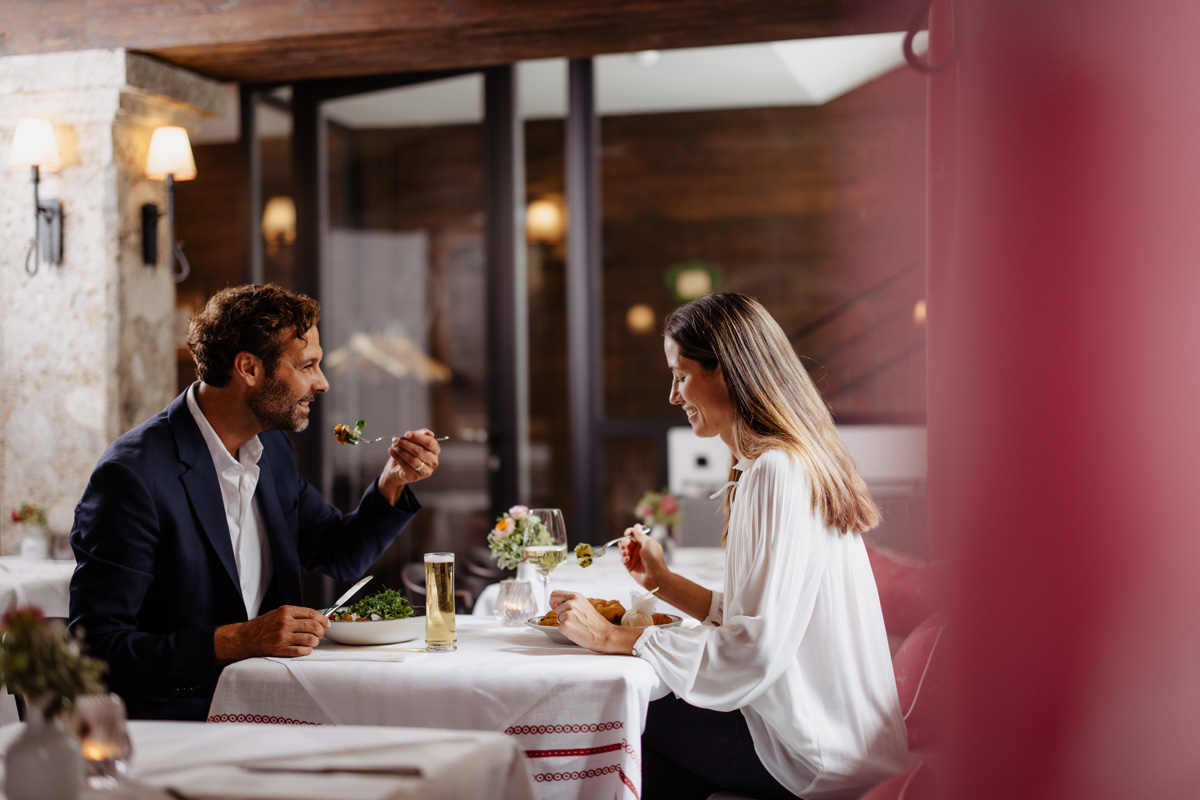
Restaurant Herzl © Hotel Goldener Hirsch
Let Mozart’s music enchant you – and his culinary favorites tempt you.
You can experience something truly special that combines the magic of Mozart’s music with delightful cuisine. Our concert series “Date with Mozart” at the DomQuartier Salzburg invites you to immerse yourself in the world of the musical genius – and afterward, savor his favorite dish at Restaurant Herzl (Hotel Goldener Hirsch)!
After a chamber music performance during “Date with Mozart” at the Residenz in the DomQuartier, you can enjoy Mozart’s favorite dish at Restaurant Herzl – lovingly prepared according to historical recipes.
Price: €24.– (only in combination with a same-day concert ticket)
Mozart’s favourite dish: liver dumplings on sauerkraut (alternative dishes available).
During the festival season, we kindly ask you to make a reservation at Restaurant Herzl by calling +43 662 8084 889.